A move by 187 governments to change the global waste treaty would mean further uncertainty for U.S. waste plastic exports. Major plastic-related changes to the Basel Convention, first proposed by the Norwegian government last year, have been ratified by all countries that have ratified and acceded to the treaty. These changes will take effect on January 1, 2021.
This fact can cause problems for exporters
"This puts a burden on plastic waste shippers to demonstrate that their materials meet these exceptions," said Adina Renee Adler, assistant vice president for international affairs at the American Waste Institute (ISRI).
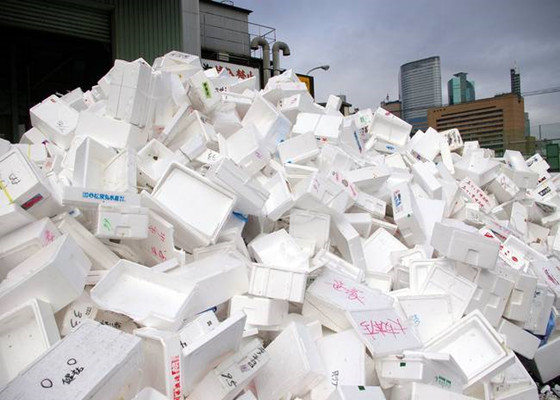
Table of Contents
How to recycle foam has become a problem that many companies are caught off guard against?
Waste EPS foam is light in weight, large in volume, and has the characteristics of anti-aging and corrosion resistance. This has become a big problem in polystyrene processing. In recent years, EPS foam recycling has become one of the biggest concerns in the industry.However, we can promote the circular economy by promoting the development of EPS foam recycling, keeping it in the market and giving it a second life.
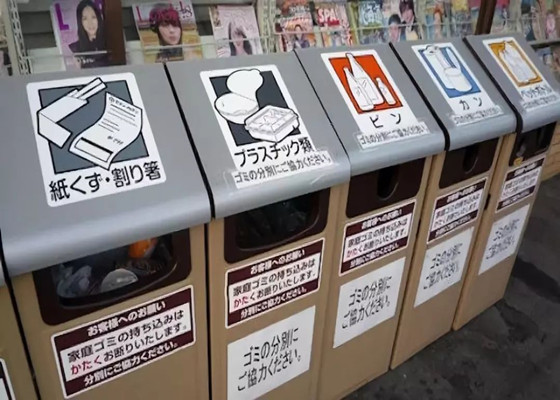
Japan's EPS foam recycling rate ranks among the highest in the world, mainly due to local waste classification and waste management policies. Many recyclers seized the policy opportunity and began to vigorously develop EPS foam recycling business.
The EPS foam recycling policy in the United States is not very strict, so few recyclers are willing to accept expanded polystyrene materials. Waste management companies are often required to pay for the disposal of polystyrene, which is convenient for the company. As a result, some EPS foam end users have begun to consider recycling polystyrene themselves.
EPS foam disposal in Australia can be landfilled, but not incinerated. This is mainly due to the large size of Australia, so landfill is still the main traditional disposal method for styrofoam. However, landfills are often paid, so recycling polystyrene from commercial sources is easier to promote.
Europe is densely populated but relatively technologically advanced. Disposal of polystyrene often includes processing and conversion to new energy sources, such as incineration for energy production.
Therefore, as EPS foam packaging enters the market in large quantities, the resulting recycling problem has attracted the attention of various countries, and Greenmax has provided professional solutions for this problem. Through the self-developed EPS foam densifier, the EPS foam is easy to handle, and at the same time, through recycling and reuse, a complete environmental protection closed loop is formed to realize the correct processing of EPS foam.
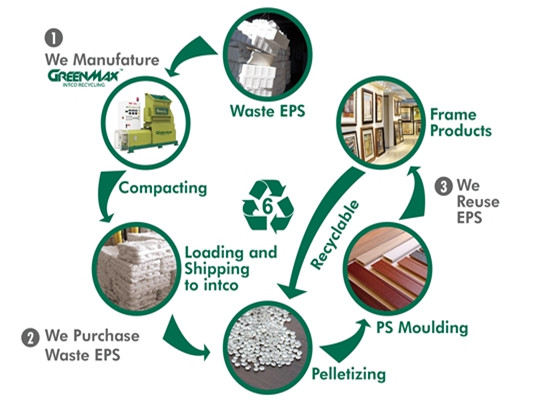
INTCO Recycling - Greenmax is promoting it as the largest end user of EPS material.
The handling of EPS foam and the realization of its circular economy are divided into three parts.
Any contribution you make to these parts will help make EPS foam zero waste and zero pollution.
1. Reduce the volume of EPS foam waste
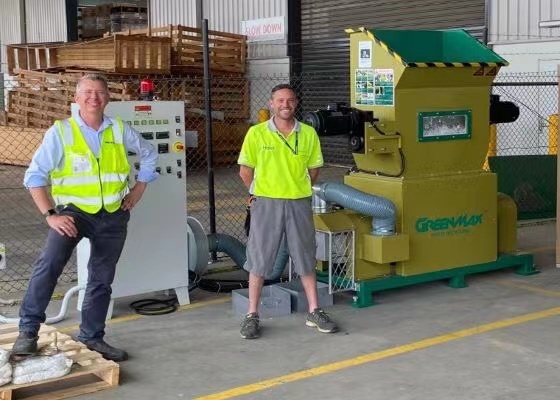
Fish companies, EPS producers and processors, logistics companies and recyclers can use EPS foam densifiers to compact their Styrofoam waste to reduce its volume, which will greatly facilitate their transportation, And take more Styrofoam waste to reprocessing companies.
2. Recycle EPS foam waste
The EPS material compacted by the foam compactor will go to the reprocessing plant where it will be converted into pellets in the recycling section. This part of the post-processing machine not only achieves zero waste and zero pollution of EPS foam, but also achieves high yield. The price of compacted EPS material in Europe is 500-1080 EUR/TON, and the price of EPS pellets is now as high as 1600 EUR/TON.
3. Reuse Styrofoam Waste
This year, we've heard a lot about plastic bans, taxes... and many policies to stimulate the use of recycled plastic. Businesses are pushing for recycling of EPS foam.
Greenmax offers a full range of services to assist customers with EPS foam recycling issues. Help them recycle EPS foam waste and create closed-loop recycling solutions to facilitate foam recycling.