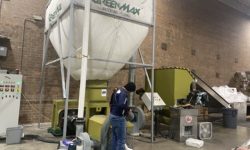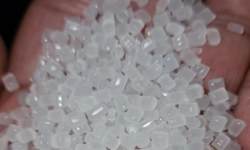
Many companies are still not very familiar with XPS recycling, because this material does not appear very frequently in daily life. XPS mainly appears in the construction industry, which further illustrates the large amount of XPS waste produced every year. , cannot be ignored. The global extruded polystyrene (XPS) insulation material market was valued at $4.8 billion in 2020, and is projected to reach $7.9 billion by 2030, growing at a CAGR of 5.2% from 2021 to 2030. Melting polystyrene, which is then fed into an extruder together with unique additives & blowing agents, is a step in the production of XPS. So is it practical to carry out XPS recycling? Is it necessary to recycle XPS? Below INTCO GREENMAX will introduce you to several cases to help you understand the current status of XPS recycling more clearly.
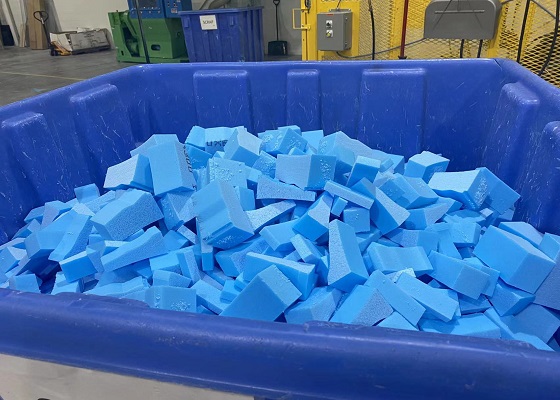
Table of Contents
CASE 1: XPS Recycling in Italy
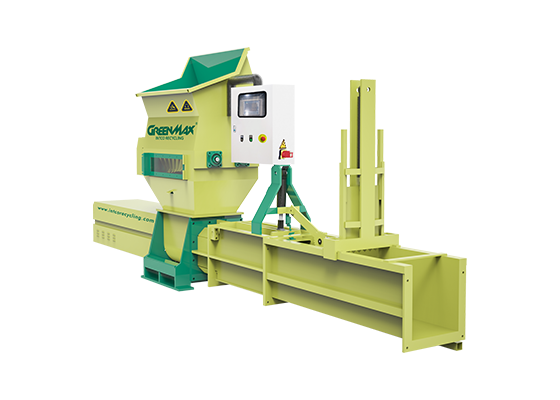
One of INTCO GREENMAX's customers is engaged in the packaging manufacturing industry in southern Italy, with a density of 25-45kg m3. This customer has a new factory, so there is more waste material that needs to be compressed, so he wants to buy a foam recycling machine. If you purchase relevant recycling equipment, you will receive subsidies from relevant departments and organizations. In the end, the customer chose to purchase the foam compactor A-C200 with dual crushing system and automatic cutting device. The Foam compactor A-C 200 is a medium-power compression device that can process 200kg of waste per hour.
CASE2: XPS Recycling in Poland
This customer is engaged in the waste recycling industry in Poland and recycles many types of foam, including the XPS foam we mentioned. In fact, the foam plastic they recycle mainly contains EPS, XPS, and EPE. This is the kind of foam. Previously, the factory had a foam recycling machine supported by cold pressing technology, but with the development of recycling As the process continues, customers believe that the original equipment cannot recycle the current various foams well, and the degree of automation is too low. Therefore, GREENMAX engineers designed a device that meets the requirements of this customer: currently, two foam densifiers are used together with a water-cooling system, which not only improves the compression efficiency, but also achieves a high degree of automation in the water-cooling system. Foam densifier also shows excellent performance in the process of recycling EPE foam.

CASE3: XPS Recycling in Italy
This customer of GREENMAX is engaged in the production of XPS insulation boards in northern Italy. The XPS insulation boards produced in the construction industry have a high density. The customer of Engineer Jianye uses foam compactor A series A-C200 with a double crushing device for crushing and recycling. In order to save labor, the customer chose automatic cutting equipment to help cut the foam blocs produced