Can you imagine that many of the plastic products around us in daily life are made of plastic particles added with recycled materials? In fact, recycled materials are used more widely than we imagine, and this technology is becoming more and more mature. So what types of plastic particles are related to renewable materials in life?
PP recycled plastic: polypropylene, which is translucent and waxy when uncolored, lighter than polyethylene, and has better transparency and hardness than polyethylene. Mainly used for pots, barrels, furniture, films, woven bags, packing tapes, and bottle caps , car bumpers, etc.

PE recycled plastic polyethylene is milky white, translucent, and waxy when not colored; it feels smooth when touched by hand, is flexible and tough, and can be slightly stretched. Generally, low-density polyethylene is softer and has better transparency, while high-density polyethylene Harder, mainly used in mulch films, handbags, water pipes, and oil drums.
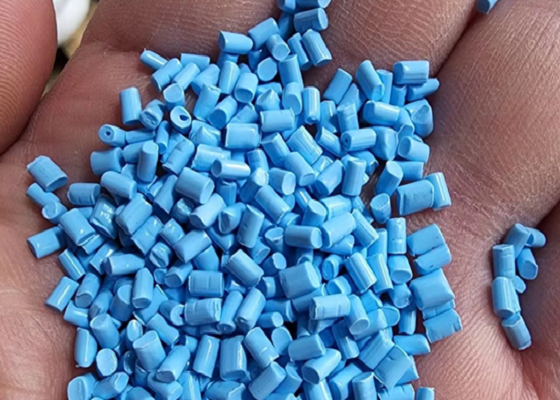
PS is polystyrene plastic, which is easy to color and has good transparency. It is often used to make lampshades, toothbrush handles, toys, and electrical parts. It is resistant to acid and alkali corrosion, but is easily soluble in organic solvents such as chloroform, dichloroethylene, banana water, etc.
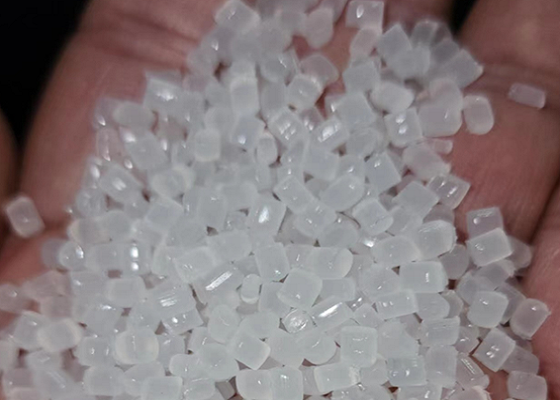
Our more common applications of recycled particles in life are to make various plastic bags, barrels, basins, toys, furniture, stationery and other daily necessities and various plastic products... There are also many applications in other fields, such as recycled plastics After being specially formulated, the particles can be used to manufacture machine parts: various forms of bearings, gears, cams, wheels, sealing rings, various blades, various water pump impellers, pipes, containers, pumps, valves, etc.
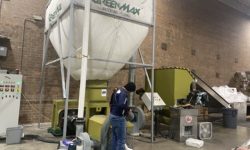
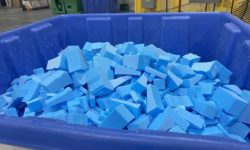
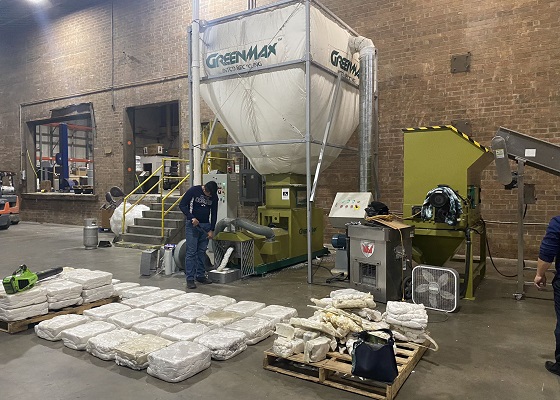
Generally, we use compressed waste foam plastic for granulation. Because compressed waste can greatly improve the efficiency of granulation. Especially the foam ingots produced by compression using a recycling device with a high compression ratio such as a foam densifier. After being crushed, melted and cooled by the foam densifier, the compression ratio of foam ingots can reach 90 :1. You can set the temperature of the foam densifier according to the actual situation to better complete the foam compression. GREENMAX foam densifier can handle many types of materials, including EPS, EPE and EPP. After compression, these materials can be added to the production process to make plastic particles. GREENMAX's compression quality is high, and the plastic particles produced will also be of high quality.
Quality grade of plastic particles:
First grade material
It means that the quality of the raw materials used is relatively good, that is, it has not been used. In the process of processing new materials, there are small corners left, or the raw materials are of substandard quality. The granules processed from these raw materials have good transparency and their quality can be compared with new materials, so they are first-grade materials or special-grade materials.
Secondary material
It means that the raw material has been used once, so its quality is also very good, and the processed particles have good transparency. At this time, it should also be judged based on the brightness of the particles and whether the surface is rough.
Grade three material
It means that the raw materials have been used two or more times, and the processed particles are not very good in elasticity, toughness and other aspects.
In short, the use of compressed foam for granulation has become one of the main ways to reuse recycled materials. The choice of equipment also determines the quality of the plastic particles produced to a large extent. If you want to know more, please feel free to consult GREENMAX!