
Table of Contents
EPS Foam Recycling
EPS (Expanded polystyrene) is a plastic foam with a hard, white appearance. Due to its stable chemical and thermal insulation properties, as well as excellent shock resistance, EPS foam is widely used in various fields including, food containers, fish boxes, building insulation boards, etc. These are some of the more common EPS applications in our daily life. In fact, EPS is also widely used in agriculture, beekeeping, and even medical industries.
The reason why EPS has so many excellent properties is not only because of the characteristics of the material itself, but also because EPS is the expanded state of polystyrene, and 98% of EPS is air, which is the main reason why EPS can has many advantages. one of the reasons. As a packaging material, this is the advantage of EPS, but in the process of recycling EPS, this is a headache. EPS is light in weight but bulky, and will quickly fill up warehouse storage space or trash cans, resulting in high storage and transportation costs. Therefore, how to recycle waste EPS foam is a problem that many EPS-related industries and recycling centers hope to solve.
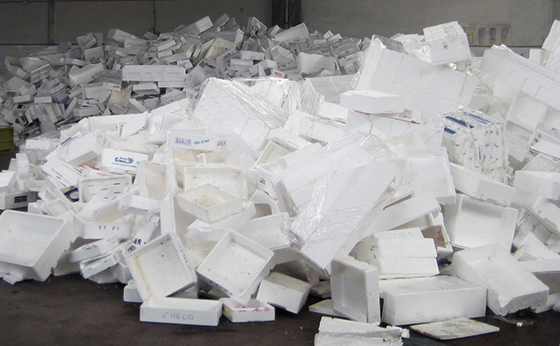
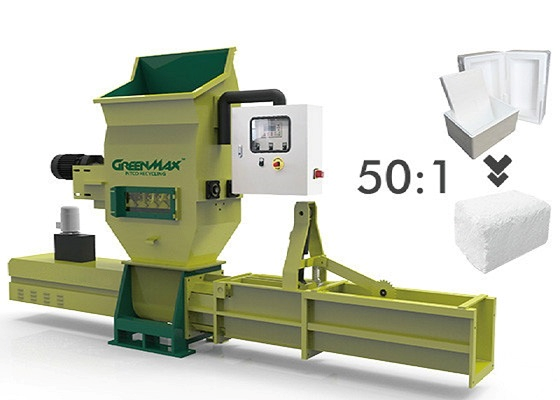
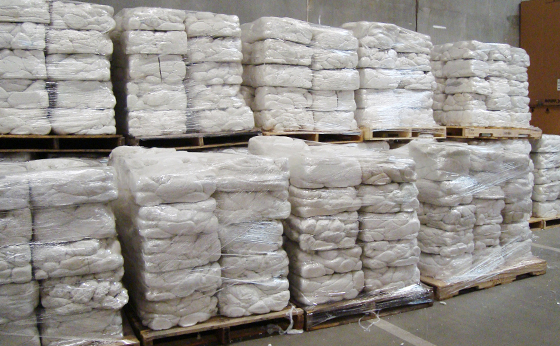
INTCO Recycling, the largest end-user and recycler of EPS foam waste in the United States, has been developing the GREENMAX EPS recycling machine for over 10 years to help suppliers recycle their EPS foam waste. Initially, Intco Recycling only focused on EPS recycling, but gradually discovered in the recycling process that waste EPS is not a scarce material, but there are not many related industries that carry out EPS recycling projects. After learning the truth, the main reason why people refuse to recycle EPS is because of the large volume of EPS, which requires too much additional cost and too little profit in the process of recycling. GREENMAX EPS recycling machine mainly includes two devices: an EPS compactor and an EPS densifier. EPS compactor can compress EPS to 1/50 of its original volume, and EPS densifier has a compression ratio of 90:1, which solves the expensive recycling costs caused by the bulky volume.
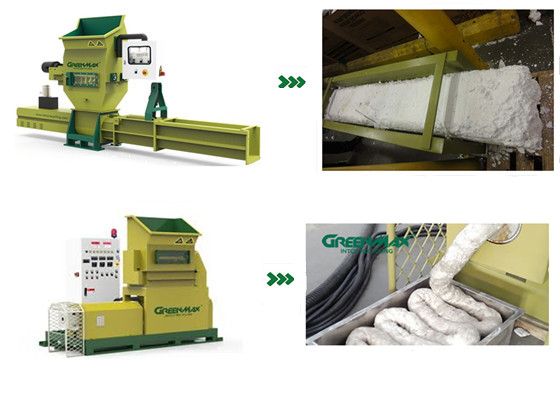
EPS compactor mainly uses cold pressing technology to recycle EPS. It only takes three steps to obtain dense EPS blocs: put EPS waste into the crushing chamber of the EPS compactor, then use screw extrusion technology to remove excess air, and finally squeeze out blocs. At the same time, the EPS compactor is also a device with very low energy consumption. It not only has high recovery efficiency and high compression ratio but also is easy to operate, which can save a lot of transportation, storage, and labor costs. After the EPS compactor came out, more and more people used this EPS recycling machine to participate in EPS recycling projects, which not only achieved environmental protection but also brought good profits for themselves.
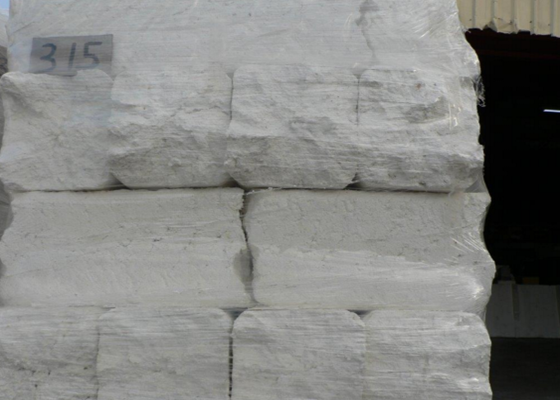
In addition to the EPS compactor, GREENMAX also has other series of EPS recycling machines, such as an EPS densifier, which can also efficiently recycle EPS, but unlike the EPS compactor, the EPS densifier uses hot-melt technology for recycling, and also first crushes EPS materials into flakes, then the EPS flakes can be easily melted by the EPS densifier's heating device to form dense ingots with a compression ratio up to 90:1.

GREENMAX Apolo Series EPS Compactor
GREENMAX Apolo Series EPS Compactor can cold-compresses waste EPS according to the principle of pressure generated by spiral rotation. The operation process of the Apolo EPS Compactor is clear at a glance. Throw the waste EPS packaging into the machine hopper where it is crushed into small pieces, then drop it into the screw part where the crushed EPS pieces will be pushed out and then densify into blocks without heat.
GREENMAX Mars Series EPS Densifier
GREENMAX Mars Series EPS Densifier reduces the volume of EPS waste with a high volume of extrusion technology. Throwing the waste foam packaging into the machine hopper where it is crushed into small pieces, then drop into the screw part where the crushed foam pieces will be pushed out and then melted by heating parts. Finally, it will become hot melted ingots with a density of 90:1, easily to be stored and reused into new products.