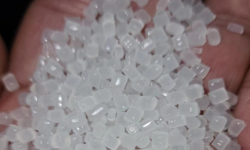
Although EPS and EPE foam have different physical properties and application fields, they both face challenges of large volume and high transportation costs during the foam plastic recycling process. By optimizing recycling technologies we can better manage these two types of foam waste
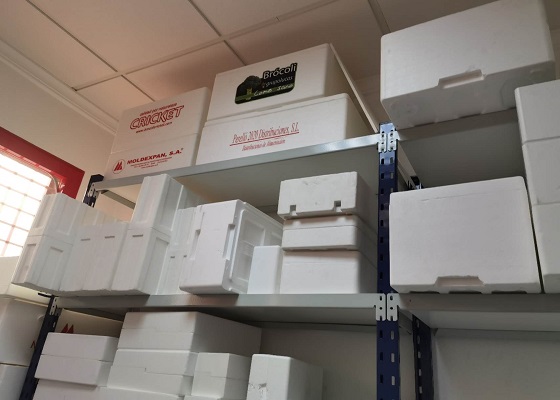
EPS foam is a rigid foam plastic made of polystyrene (PS) through foaming technology. It is usually used in packaging materials, building insulation materials and disposable tableware. EPS foam is composed of 98% air and 2% polystyrene. It has a hard texture and excellent impact resistance and thermal insulation.
EPE foam is a soft foam plastic made from low-density polyethylene (LDPE) through a foaming process. It is widely used in packaging, heat insulation, shock-proof materials, etc. Unlike EPS, EPE has higher softness and elasticity.
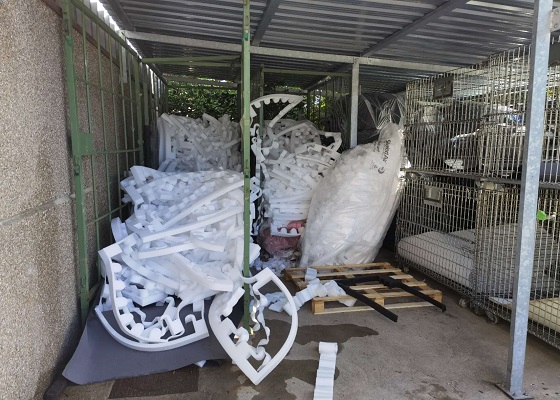
The difference between EPS foam and EPE foam
Physical properties:
Hardness: EPS is hard and easy to break, while EPE is soft and elastic and not easy to break.
Density: EPS foam has a low density and is easily broken into small pieces or powder; EPE foam has a higher density and has better tensile and stretch properties.
Structure: EPS foam is composed of multiple closed cells, with strong structural rigidity; EPE foam has an open-cell structure, with more air inside, providing better elasticity.
Due to their difficulty in biodegradation and large volume, EPS and EPE foam have become an important source of global environmental pollution, especially in landfills and marine environments, and also pose challenges to foam plastic recycling.
How to recycle EPS foam and EPE foam
Because both are commonly used as packaging materials and both use foaming processes, the recycling methods are also relatively similar:
Faom compactor:
EPS foam and EPE foam are bulky but extremely light, resulting in high transportation costs. After the EPS foam is compressed into high-density blocks through a compressor, transportation efficiency is improved. The compressed foam can be used as recycled raw material to produce plastic pellets or other plastic products. Currently, foam compactor can be used to compress waste foam to 1/50 of its original volume.
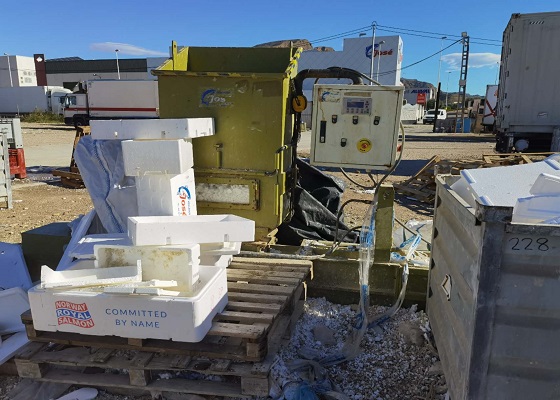
Foam densifier:
Heating EPS foam and EPE foam to a molten state greatly reduces their volume and forms dense foam ingots. This renewable raw material can be used to create new plastic products, such as plastic sheets, flower pots or other durable products. At present, the compression ratio of GREENMAX foam densifier to waste can reach 90:1. It provides great convenience for foam plastic recycling.
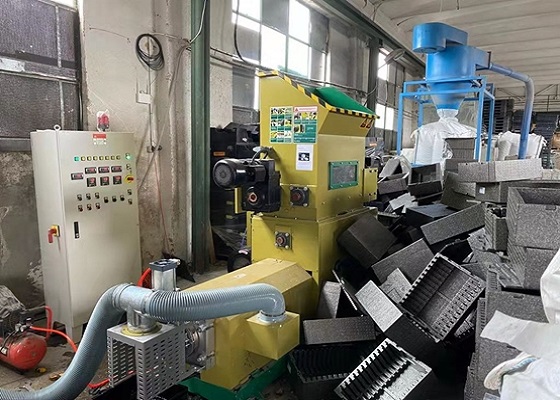
Currently, there is a new recycling method for recycling EPS foam, which is to use hydraulic technology for recycling. Currently, effective compression can be achieved for EPS materials. The compression ratio of foam hydraulic compactor can reach 70:1, which can effectively increase the compression ratio while saving energy consumption.
Although EPS and EPE foam have different physical properties and application fields, they both face challenges of large volume and high transportation costs during the foam plastic recycling process. By optimizing recycling technology, increasing market demand, and strengthening policy support, we can better manage these two types of foam waste, reduce negative impacts on the environment, and promote sustainable use of resources.