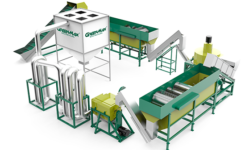
For EPS, which is the right way to deal with recycling or ban? Can we live without EPS?First discovered in Berlin in 1839, EPS was used in World War II and has been mass-produced ever since, and has remained popular since because of its high quality properties and low cost. From energy-efficient building insulation to surfboards, from soilless hydroponic gardening to aircraft construction, EPS has been an impeccable material that became a trend until environmental issues suddenly came to the fore.
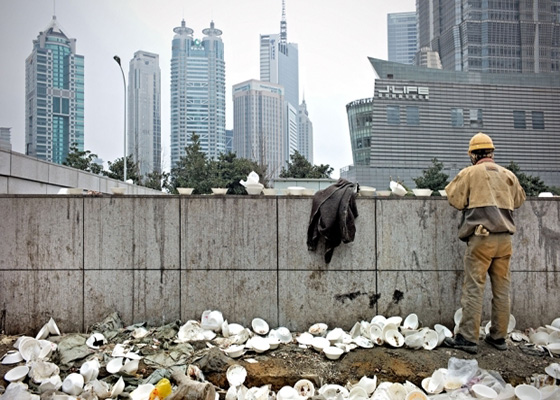
Before it was recognized that EPS could be recycled, EPS that entered the ocean rapidly degraded into irreversible toxins that entered the bodies of marine organisms. EPS that enters landfills stays in the soil for hundreds of years without being degraded, which is undoubtedly a waste of land resources. EPS burned in incinerators becomes a culprit in polluting the atmosphere, going against today's strong stream of environmental awareness.
People wakes up so quickly that EPS recycling has exceeded 125 million pounds in 2013. Will you participate? In what way will you recycle?Fortunately, there are many companies that have done research and are committed to the EPS recycling business. For example, the global company GREENMAX - the specialist in EPS recycling.
The problem with EPS is the greater weight of the hard plastic compared to the hard plastic. Because EPS is so light, its small density and large volume takes up a lot of storage space for much less monetary return, so for many recyclers it's not worth it. Because of these characteristics of EPS means that the collection and transportation impacts of recycled EPS often outweigh the environmental benefits.

You must use a specialized EPS densifier on site to reduce the volume of EPS so that all the air can be exhausted and these materials can be easily transported. For large companies, this is a very big possibility and an optimal choice.
EPS is recyclable, there is no doubt about it. GREENMAX designed the EPS recycling machine which according to the characteristics of EPS and the key points of recycling to make the recycling business twice as successful. The brand uses physical technology to crush EPS and then uses high temperature to heat melt it into ingots of 1 in 90 of its original volume.
Do you think this is the end of EPS recycling? Not at all. The ingots produced by the EPS densifier are the raw material for the plastic particles. Once the EPS has been processed by the machine, it is ready for the next step - granulation, where the plastic particles can be made into a variety of finished picture frames and skirting products for house decoration.
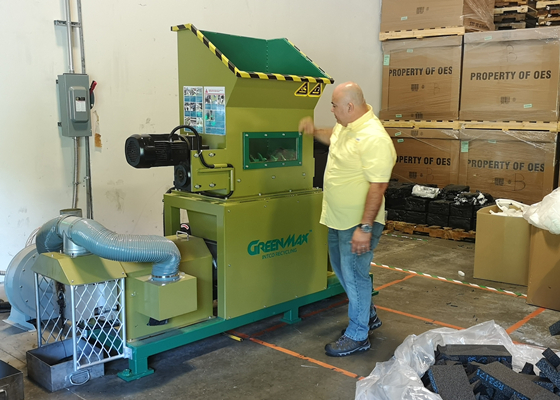
Proof of facts is far more uplifting than unsubstantiated theories. Neither the ban nor the recycling can make EPS pollution once and for all, but we can't waste EPS that could be recycled and let it become the culprit of environmental pollution. If we are going to continue using disposable products anyway, then they are better made of low-impact materials than high-impact materials, and we should do a better job of collecting waste and preventing it from ever happening into these fragile ecosystems.Reasonable use of good professional EPS recycling machine as the first step will be the beginning of people into the recycling business.
This is why so many companies and corporations, and even governments, are investing large sums of money in the recycling industry. Most of these funds are used to promote the significance of EPS recycling as well as to purchase advanced recycling equipment.
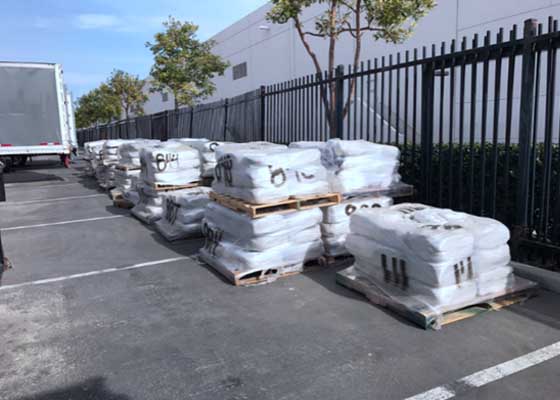
For example, the EPS recycling industry will invest in EPS recycling machines, through the EPS recycling machines will not only be able to save under the high cost of recycling processing, transportation costs, but also through the sale of EPS machines generated by the return material to obtain an income. In the long run, the investment in the machine comes back in another way at the same time, we have made a great contribution to the environment.
A green planet requires continuous efforts to achieve, and we need to recognize not only the fact of EPS recycling but also through our practical actions. For example, when the power of technology is sufficient, we can make full use of the EPS recycling and other aspects. EPS recycling machine through the EPS recycling not only saves valuable land resources, no longer pollute the air by burning, but also can contribute to the green earth in a circular economy, why not?