The Morrison government declared that by the middle of the previous year, expanded polystyrene,that is what we often call EPS—which is used to wrap and safeguard a variety of consumer goods—would be phased out. However, the EPS sector and the Australian Packaging Covenant Organisation (Apco), a non-profit organization tasked with meeting national recycling and packaging targets, have informed the Guardian that there is “no viable alternative” to the substance.
Apco claimed it has collaborated with industry to "lay out a roadmap" for the phase-out of expanded polystyrene (EPS) in a statement to the Guardian. The statement stated, "While a complete phase-out would have been ideal, it was not feasible due to the problematic nature of EPS." "For businesses with heavy products (heavier than 45 kg), like white goods, there is currently no practical alternative to EPS available in Australia. Similarly, there is no solution for precision instruments, for example."
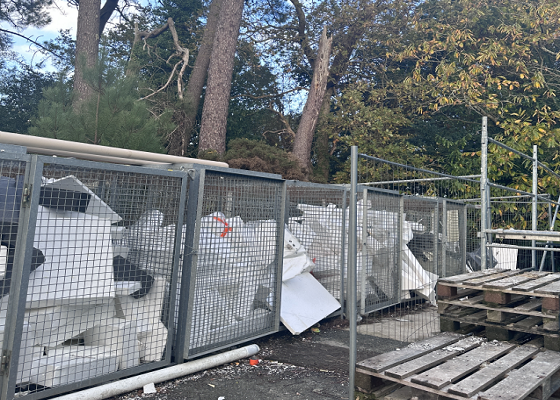
In fact, this situation is foreseeable. There are certain reasons why EPS has been used as the main packaging material for so many years. Because of its excellent performance, and also because of its high cost performance, it is difficult to find suitable substitutes. This is one of the reasons why various fields are competing to use it. In addition, this material is completely recyclable. Speaking of which, more and more people will surely wonder, since it is 100% recyclable, why is the use of this material banned? The main reason why the use of this material was banned before is because this waste has not been properly recycled. In other words, as long as proper recycling is done, there will be no pollution. So if we want to continue to use EPS, then we must do good recycling job.
Table of Contents
Do you really understand EPS recycling?
If you are engaged in production in EPS-related fields or are engaged in EPS recycling-related projects, you may be more or less familiar with EPS recycling. At least you should know that EPS recycling requires the use of an EPS recycling machine. So what EPS recycling machines are currently available to help with recycling?
EPS crusher
EPS crusher is a compact EPS recycling machine. This recycling equipment only has a crushing function and no compression function. It contains two models, one of which crushes EPS into small pieces with a diameter of 20-50mm, and the other crusher only directly crushes EPS into EPS beads, with a greater degree of crushing. These two EPS recycling machines can not only crush EPS foam. If you also want to crush other types of foam, you can communicate with the engineer and introduce your material type and parameters in detail. We will replace the cutter according to your actual situation. Helps with better crushing.

EPS compactor
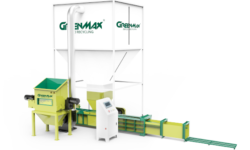
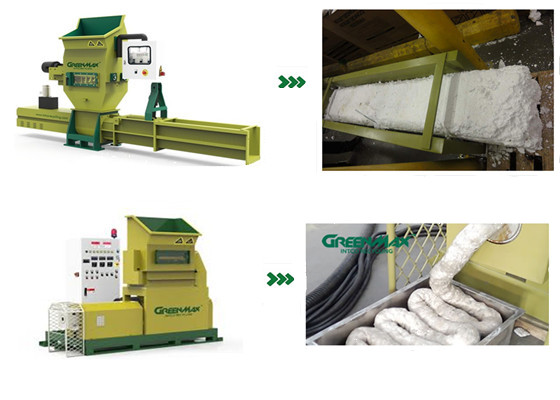
The EPS compactor has three models. The smallest one can process 100 kilograms of waste EPS per hour, while the most powerful model can process 300 kilograms of waste EPS per hour. First, the EPS compactor crushes the EPS foam, and then performs screw extrusion to achieve volume reduction. The compression ratio reaches 50:1.
EPS densifier
EPS densifier can also be called EPS melting machine. Because this EPS recycling machine is supported by hot melt technology, it can also be called EPS melting machine. There are three models, the smallest one can process 100 kilograms of waste EPS per hour, while the most powerful one can process 300 kilograms of waste EPS per hour. First, the EPS densifier crushes the EPS foam, and then heats and melts it to achieve volume reduction. The compression ratio reaches 90:1.
EPS hydraulic compactor
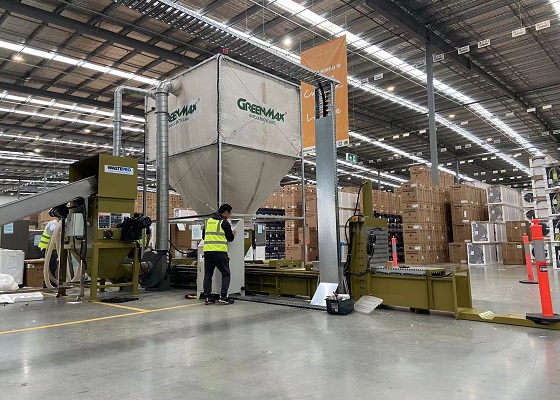
EPS hydraulic compactor is an EPS recycling machine that uses hydraulic technology. This EPS hydraulic compactor currently only has one power, the model is H-C300. It uses hydraulic technology to help reduce the volume of EPS waste. The compression ratio can reach 70:1.
EPS recycling system
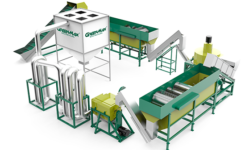
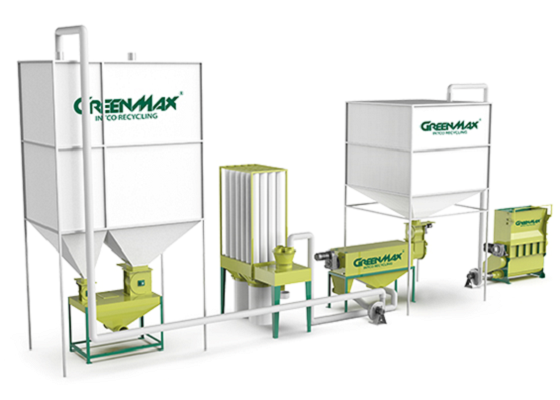
This EPS recycling machine is a large-scale equipment. The main purpose of this equipment is to recycle EPS boards, recycle EPS beads and add them to new boards. The discarded EPS beads can be directly screened into another silo. It enters the hot melt device and is compressed into EPS ingots, which will not be wasted.
Therefore, there are many ways to recycle EPS, and there are also various EPS recycling machines that can be used for recycling. If we cannot give up using EPS foam, then we must learn to actively use EPS recycling machines for recycling.