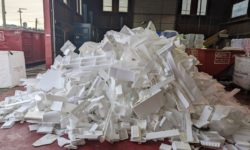
Do you know the evolutionary history of EPS recycling? In fact, we didn't know the correct recycling method at the beginning, and we did a lot of things that harm the environment and waste resources. Let's take a look at this article. How EPS recycling evolved from the wrong way at the beginning to the current use EPS densifier is recycled with various other EPS recycling machines.
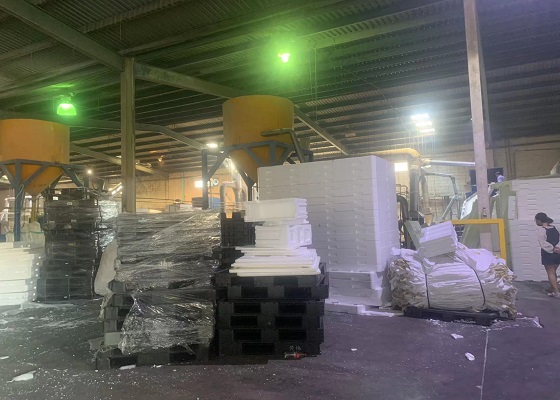
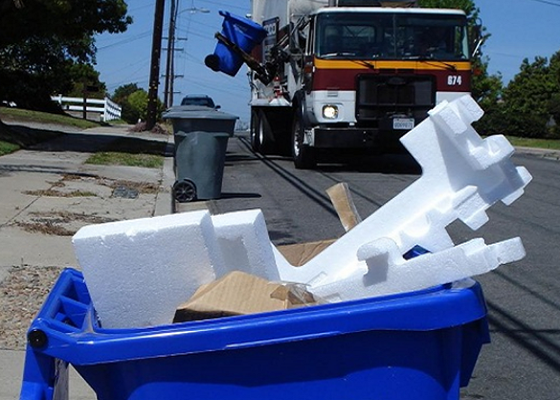
In the beginning, the way we dealt with waste EPS was very simple and rude. Generally, there are three ways to throw it directly into the trash can on the roadside (in fact, the blue trash can on the roadside does not accept this EPS waste), together with other types of garbage. Landfill and sent to designated sites for incineration. At present, these traditional recycling methods have been gradually abandoned, and more and more people choose to use EPS recycling machines for recycling. Let us first understand why these three traditional recycling methods are abandoned.
Table of Contents
Dispose of EPS waste at will in roadside trash cans
This is absolutely not allowed, whether it is waste EPS produced by related industries or EPS domestic waste produced in residents' lives. First of all, this violates the requirements of garbage classification. Second, EPS is large in size and often takes up a lot of space, which makes it impossible for other garbage to be thrown into the garbage can. In this way, a lot of garbage will be stacked near the garbage can, which will seriously affect the city. At the same time, if the garbage is not cleaned in time, it will emit an unpleasant smell and spread bacteria.
Landfill EPS waste
Landfilling EPS waste is not really recycling, it's just a way of fooling ourselves, we're just temporarily hiding this white waste. Because EPS is non-degradable waste, perhaps with the movement of the earth's crust over the past few hundred years, these wastes will be transferred to other places, or after changes in natural conditions, such as floods, these EPS wastes will appear on the ground again. Regardless of these future possibilities, burying non-degradable waste underground will also pollute soil resources. At the same time, these substances that do not exist in nature may become carriers of certain microorganisms and viruses, disrupting the ecological balance.
Incinerate EPS waste
Incineration of EPS will produce too much greenhouse gas, and the global climate has been warming seriously in the past ten years. At the same time, burning EPS will produce gases that are harmful to human health. Once the protective measures are not in place during the burning process, it will negatively impact human health. At the same time waste EPS is 100% recyclable, and burning this waste EPS is a serious waste of natural resources.
Recycling with EPS recycling machine
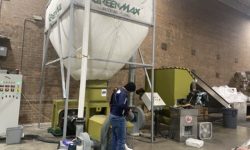
Thanks to the development of technology and the enhancement of people's awareness of environmental protection, many machinery brands are constantly exploring and studying EPS recycling machines. Among them is Intco Recycling GREENMAX. During the decades GREENMAX has been engaged in machinery manufacturing, it has helped many industries to recycle EPS and spread the concept of EPS recycling correctly. Among them, EPS densifier is welcomed in the United States, because EPS is in an expanded state, and 98% of the unit volume is air, so it must be compressed before all recycling steps. As a professional EPS recycling machine, the EPS densifier has a compression ratio of up to 90:1 and a maximum power of up to 300kg per hour. It uses hot-melt technology to melt and compress the huge EPS waste, packaging, and containers into dense EPS ingots. At the same time, GREENMAX EPS densifier is relatively energy-saving among EPS recycling machines using hot-melt technology on the market. Of course, this machine consumes more energy than EPS cold compactor, but the compression ratio is also higher.
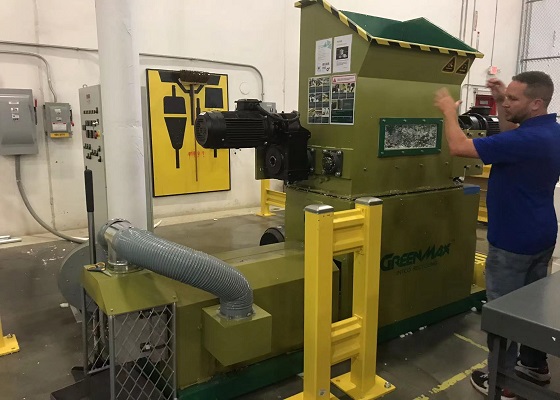
In recent years, Intco Recycling GREENMAX has not only continuously attracted new customers, but also won the trust of old customers. After using two GREENMAX EPS recycling machines, a furniture store in the United States placed an order for 8 machines in two consecutive years for different recycling points. This is all because of the excellent quality, cost-effectiveness, and Excellent after-sales service. We have detailed records of each machine shipped from the GREENMAX factory, the model of the machine, the modification records, and the vulnerable parts of the machine so that we can provide customers with spare parts in a timely manner in the future.
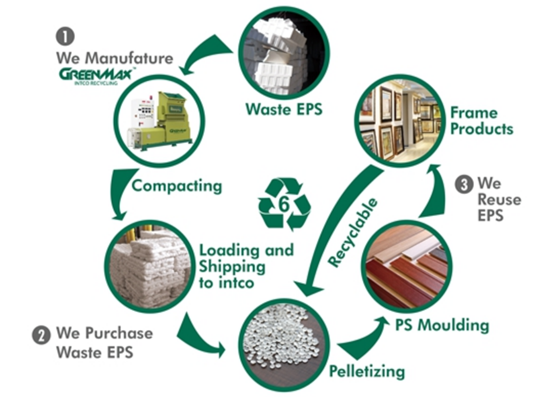
EPS ingots recycled by EPS densifier can be made into new plastic products, which not only enhances your brand image but also brings you additional income. GREENMAX provides EPS repurchase service. In order to help customers form a closed loop of recycling and economy, we use waste EPS to manufacture plastic photo frames, which are sold to IKEA, Carrefour, Wal-Mart, and other shopping malls. Maybe the frame you are using is a piece of EPS you were recycling at the time! Sounds amazing, doesn't it? The EPS recycling business is looking forward to your participation.
If you are interested in our EPS recycling machines (not limited to EPS densifier) and business model, you can contact us at any time, we look forward to answering you patiently.