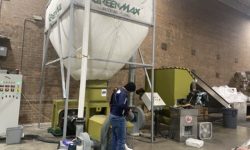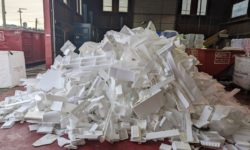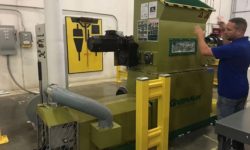
WM is an industry that owns the majority of waste EPS in a region or city. Whether WM can handle waste EPS correctly may largely determine the future environmental development and human health of the city. But unfortunately, many large WMs, including the United States, are still using incineration and landfill for EPS recycling.
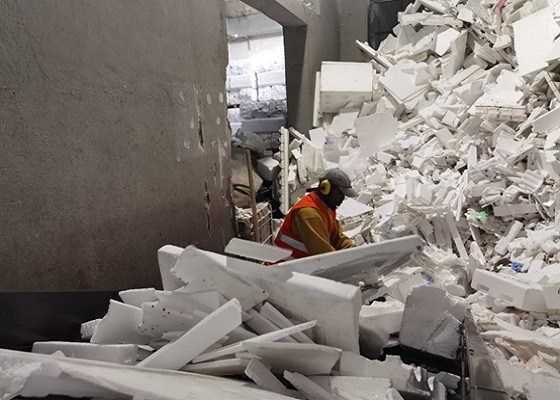
Table of Contents
The Hazards of Landfill and Incineration of EPS
EPS is a non-degradable substance, and it will not degrade if it is buried underground for hundreds of years. With the change in the natural environment, these non-degradable wastes may be exposed to the environment again. And we know that EPS is huge and requires a lot of space for landfill, which is tantamount to a waste of soil resources. At the same time, after professional investigation, EPS can be used as a carrier for bacteria and microorganisms, so that these substances that are not in the biological chain can be brought into the ecological cycle, bringing potential harm to nature.
The incineration of EPS belongs to the incineration of petroleum raw materials. During the incineration process, a large amount of carbon-containing gas will be generated, which is one of the causes of global warming. At the same time, during the incineration process, toxic gas will be produced, which will affect the health of surrounding organisms. At the same time, the incineration and landfill of EPS are also a waste of resources.
Landfill and incineration are no longer the mainstream way to recycle EPS
With the development of EPS recycling technology, more and more high-quality EPS recycling methods have emerged, such as mechanical recycling methods, chemical recycling methods, etc. Landfill and incineration are no longer sustainable recycling methods. The government and related departments have also realized the harm caused by landfill and incineration, and are constantly raising landfill and incineration taxes. Therefore, more and more related industries have expressed that they are unwilling to send EPS to the recycling station to be processed by WM, because the taxes and labor costs of landfill and incineration are already unbearable, and they began to develop their own EPS recycling business. This will lead to fewer and fewer customers who continue to use landfill and incineration WM, so WM should gradually update its recycling method for recycling.
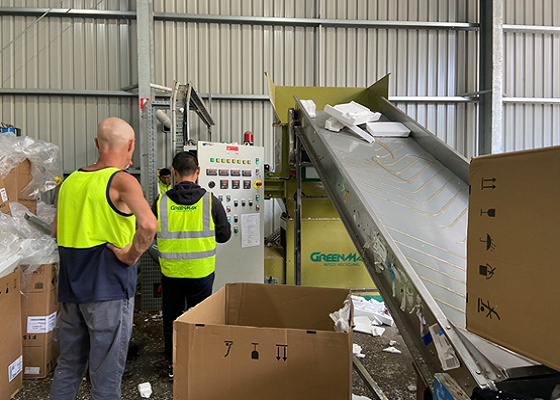
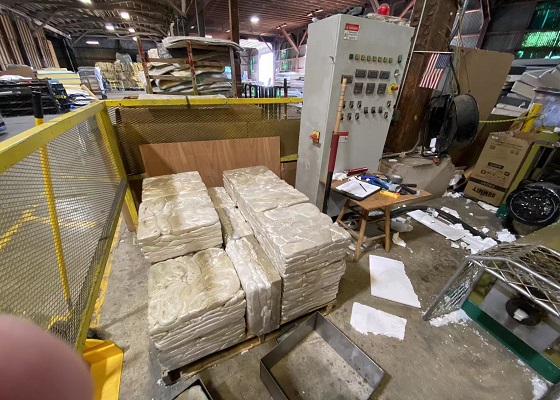
Using EPS recycling machines has become the first choice for many related companies. Using EPS recycling machines such as EPS densifiers for recycling can not only protect the environment but also recycle resources. The recycling efficiency of EPS densifier is very high. After crushing and compression, the EPS ingots produced can be reduced to 1/90 of the original volume. The recycling system of this EPS recycling machine mainly uses hot melt technology for volume reduction. The reduction in EPS volume means that a large part of the recycling work has been solved, which is also an essential step in the recycling process. The recycling system of this EPS recycling machine mainly uses hot melt technology for volume reduction. The reduction in EPS volume means that a large part of the recycling work has been solved, which is also an essential step in the recycling process.
Where does all the EPS processed by the EPS densifier go?
The good news is that the EPS processed by the EPS densifier is reused. EPS ingots have become valuable raw materials, and these EPS are manufactured into new plastic products. Intco Recycling GREENMAX is doing this recycling work, and you are welcome to inquire at any time.
It's time for WM to change its EPS recycling method. The use of EPS densifiers has been accepted by the public, and making changes is also great progress in the EPS recycling business!