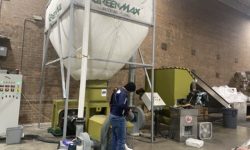
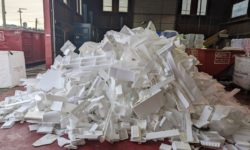
Since the 1960s, houses across Europe have been using HBCD flame-retardant insulation panels, but with the ban on HBCD, all releases of HBCD into the atmosphere are illegal. Therefore, there must be a solution to solve the problem that the HBCD is collected and disposed of properly when the EPS insulation board is recycled and disposed of by EPS densifier.
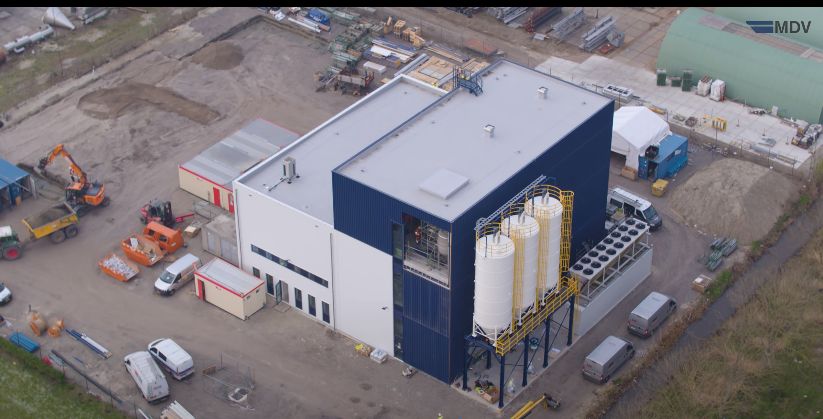
Recently, PS LOOP realized the double closed loop of PS and bromine. Responding to the Basel Convention and fulfilling EUMPS’s commitment to EU. In fact, EPS recycling has been done for many years. 11% of other types of EPS are also recycled, and 70% of the packaging materials are recycled.
When it comes to packaging materials, polyethylene (PE foam) is one of the most common materials. At present, as a packaging material, polyethylene has high density, good elasticity, and strong plasticity. Its popularity is no less than that of EPS foam. EPS foam can be processed by EPS foam densifier, similarly, PE foam can also be processed by PE foam densifier.
Table of Contents
Features of PE foam
PE foam is an advanced inner packaging material that has a strong protection function. It has a white appearance. PE foam is a completely independent bubble, it is light and flexible. It can be bent to absorb the impact from dispersion and cushioning, and overcome the fragility, deformation, and recovery failure of ordinary EPS foam.
PE foam has the properties of heat preservation, waterproof, moisture-proof, heat insulation, sound insulation, anti-friction, anti-aging, corrosion resistance, and anti-aging properties. At the same time, PE foam material added with an antistatic agent will have significant antistatic performance.
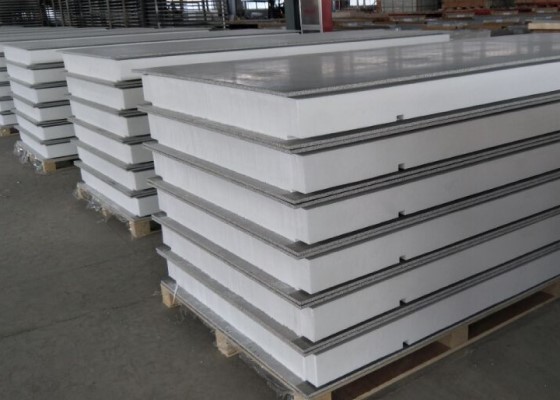
PE foam is widely used in product packaging, such as computers, electrical appliances, high-end furniture, leather goods, handbags, shoes, etc., especially the packaging of high-end crafts. PE foam will be a trend for packaging development and is an ideal substitute for traditional packaging materials.
The application of PE foam
PE foam is widely used in electronic appliances, computers, medical equipment, lighting, handicrafts, home appliances, and gift packaging. Adhesive products of PE foam and various fabrics can be used as additive materials for vehicle and bedroom decoration. At the same time, they are also good materials for refrigeration.
It is also widely used in elastic lining bags, breeding thermal insulation pads, thermal insulation materials, thermal insulation materials, mobile equipment agricultural industrialization, sporting goods, water rescue equipment operations, home furnishings, hotel floor decoration, packaging, etc.
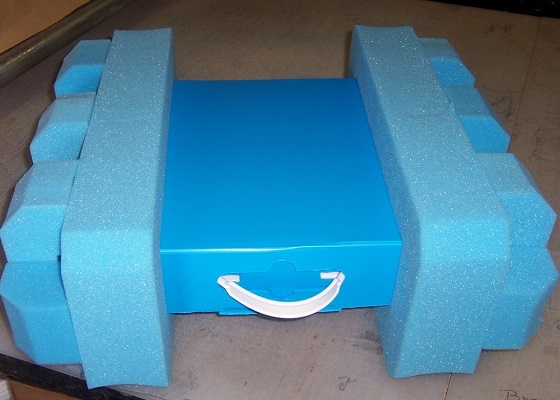
At present, PE foam is widely used in the packaging of expensive and fragile handicrafts such as high-end furniture, electronic products, and pharmaceuticals. PE foam is combined with other high-end decorative fabrics and flannel, and it has a luxurious style without losing its good impact protection effect.
The most important thing is that the used PE foam waste can be recycled to produce new packaging materials, which will help conserve natural resources and protect the environment.
PE Foam Densifier: Dispose of PE Foam Waste Accumulation
Most manufacturers produce a lot of PE foam waste during the process. If these wastes are not treated in time, they will seriously affect the operation of the factory. Moreover, some of the current treatment methods are still relatively backward, such as incineration, landfill, or payment to the local waste management company for processing.
Therefore, many manufacturers and recyclers try to seek more efficient PE foam recycling solutions and ultimately invest in professional PE foam densifiers.
Create economic benefits by using PE foam densifier
The melting process of GREENMAX PE foam densifier on polyethylene waste can reduce PE foam volume by 90 times, saving storage space and transportation costs. In addition, some manufacturers repurchase recycled PE foam blocks for reproduction. PE blocks are not a small income. Selling these PE foam blocks can bring economic benefits.
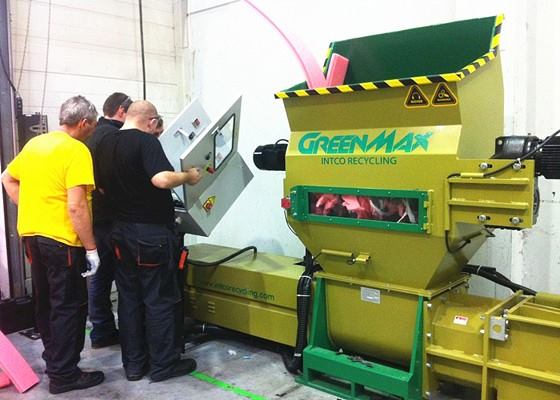
Now many local governments encourage recycling and resource reuse. Products must contain certain recyclable materials. Therefore, the PE foam recycling project can receive some subsidies and policy incentives from the local government, so that the company has a good reputation and influence in the PE foam industry.
The greatest value of PE foam recycling is that it is a precious resource that can be recycled for the manufacture to produce new products. When resources are increasingly scarce, recycling is even more important. GREENMAX provides a professional PE foam densifier and PE foam compactor. We are willing to provide you with the best solution for PE foam recycling.