A recent study by Oceana found that Amazon generated 465 million pounds of plastic packaging waste in 2019 alone. Plastic air pillows could circle the Earth 500 times! If we continue at this rate, by 2050 we can expect to have more plastic in the ocean than fish. Amazon ships about 1.6 million packages a day.
Walmart is right behind them. Although Amazon has changed - and Walmart has plans to change - its wasteful packaging habits, overpackaged deliveries are still not uncommon. However, most items that consumers order online are pre-packaged. Many of them don't require additional boxes or plastic to ship safely.
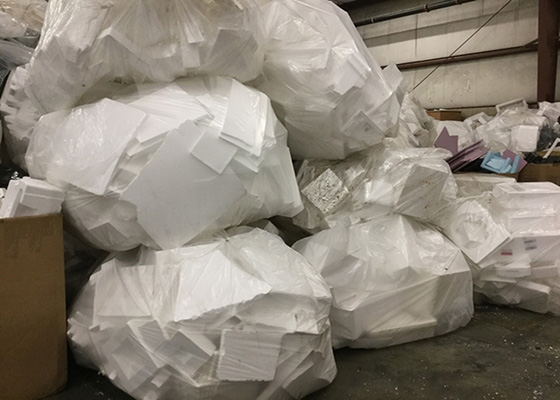
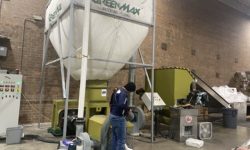
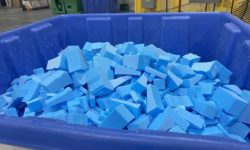
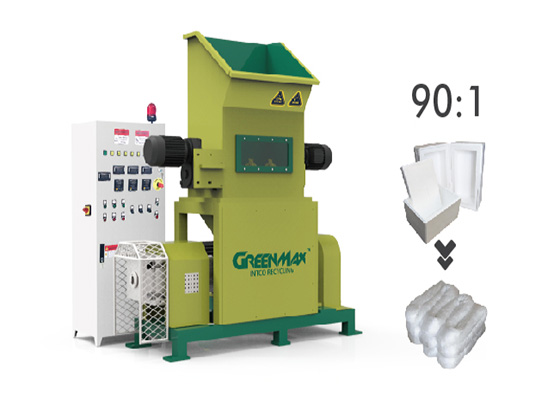
Foam as we are familiar with packaging, not only can we reduce the amount of plastic used in shopping to reduce its use, but also the used foam can be recycled by professional GREENMAX foam recycling machine which is mainly divided into the following two kinds.
Foam compactor, as a kind of screw compactor, is based on the principle of cold-pressing technology. First, the Styrofoam is crushed, and then the foam is compressed by means of physical extrusion of the screw. In contrast, the foam densifier is a kind of thermal densifier, which uses hot-melting technology. Firstly, the Styrofoam is crushed and extruded through the screw to make the Styrofoam melt in the screw and extrude through the discharge port.
An electrical company in the United States is also a GREENMAX partner. They purchased Greenmax Recycling foam densifier, which made the processing and shipping of the foam more cost effective. The original company had a lot of foam packaging because EPS is light weight and an excellent vibration isolation material.
GREENMAX Recycling helped them to have the ability to recycle computer and union packaging that was processed to see foam melted blocks, which are very clean and beautiful. On the other hand, the appliance company saves a lot of money in storage fees and shipping costs, etc. with this machine.
GREENMAX foam densifier advances foam recycling in the U.S. "Foam is no longer considered trash." U.S. foam/EPS manufacturers realize the huge benefits of recycling waste styrofoam generated on their production lines; recycling centers are now noticing that NO.6 foam is also well worth recycling based on the solutions INTCO Recycling offers both financially and environmentally. Seafood processing facilities also earn additional revenue by recycling fish boxes that have been compacted with GREENMAX foam polystyrene thickener and sold to INTCO Recycling for cash.
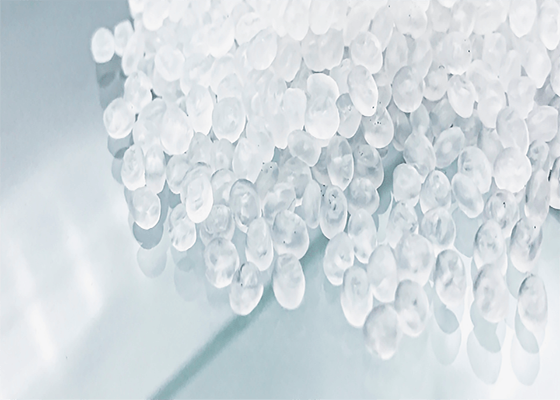
Recycled foam also can be manufactured into high quality recycled PS plastic granules through foam recycling machine, with purity up to 99% and quality close to the level of pure new material, which can be widely used in insulation board industry, food packaging material industry and garment industry.
Eco-friendly frame products involve photo frames, mirror frames, picture frames, dressing mirrors, decorative paintings, etc., which are widely used in home decoration and art framing industries in various industries all over the world. Using recycled products protects our global environment and avoids the alarming environmental degradation that comes from manufacturing new products from scratch.
In addition to the above methods, of course, we are also thinking at the source by requiring Amazon, Target and Walmart to ship their products in the absolute minimum packaging necessary. This simple change will immediately reduce millions of tons of waste.From logistics to customer service and innovation, Amazon and Walmart set the standard for all other retailers. If Amazon and Walmart are responsible for reducing unnecessary packaging, other companies are likely to follow suit.
In summary, foam, a familiar type of plastic, has brought great convenience to online retailers because of its low cost and malleability. Because of the increasing amount of waste foam, it can cause serious damage to the environment, and it is said that eighty percent of ocean pollution is due to plastic. In particular, foam can cause serious white pollution, start fires, etc. We can solve the above problems by reducing the purchase of things with foam packaging, the rational use of foam for merchandise packaging by businesses, and the use of professional and efficient foam recycling machines.