Foam is widely adopted in our daily life nowadays. However, the amount of foam that's disposed of regularly is shocking too. According to the Green Dining Alliance (GDA), Americans throw away 25,000,000,000 foam coffee cups every year, and the U.S. produces three million tons of foam a year, but 80 percent of it ends up in the trash annually without further process of recycling, which is about to take over 500 years to be decomposed.
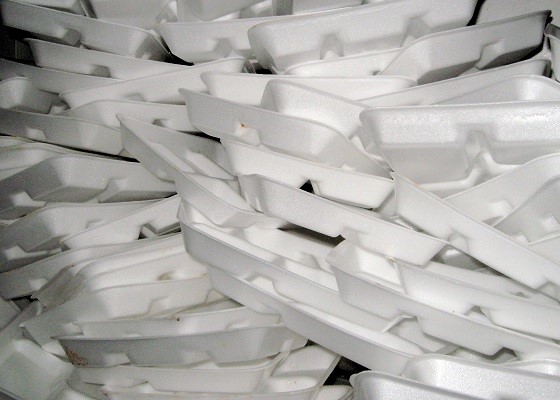
Foam is different from other materials, which is light in weight but large in size and can hardly be recycled by usual methods. Served as a professional and effective way of foam recycling, foam recycling machine especially foam densifier is virtually very poorly known by the public.
According to Rep. Liz Berry, a Democrat from Seattle who is shepherding the bill through the House, he believes landfills are just overflowing with foam packaging, and we can and must do better with both recycling and reducing the amount of waste.
Under the current situation, actions have been taken to reduce foam waste including the states’ ban on foam, scientists’ breakthrough on the new method of foam recycling and recycling sites established in many communities, etc. Berry strongly supports Virginia’s bill which aims at limiting the use of foam products. In Berry’s opinion. “It's so clear that we need to improve end markets and our recycling system and make recyclables more valuable. And that's why recycled minimum content is so important. And that's what this bill does.”
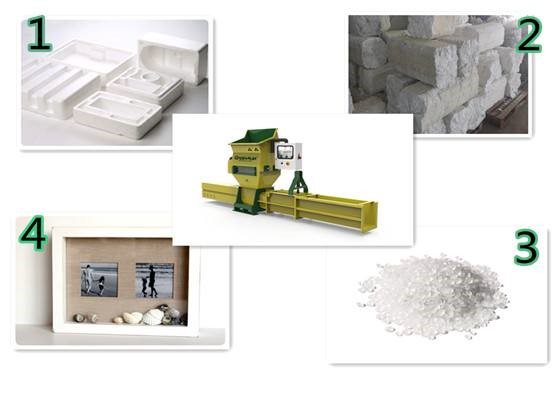
Therefore, the ultimate aim of the foam recycling endeavor is to boost the value of the whole recycling process. Up to now, foam densifiers have been perfectly qualified to achieve the above targets, which can not only alleviate the pollution to the environment effectively but also exert considerable influence on making full use of foam disposals to gain economic profits.
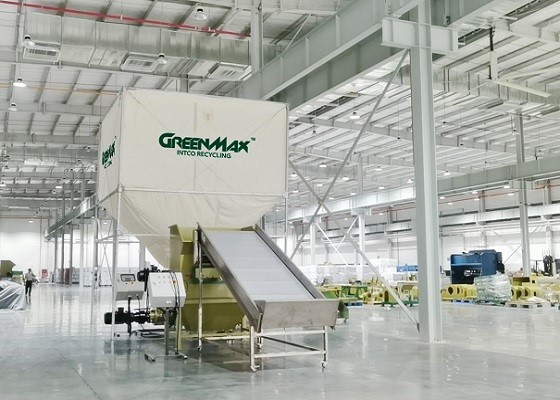
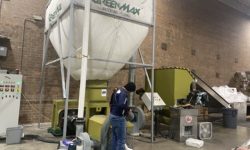
High-quality foam densifier offered by GREENMAX belonging to INTCO Recycling, a prestigious brand in the foam recycling industry, is intended to address foam waste and to infinitely repurpose foam into new materials and products through advanced recycling. Crushing first, then squeezing and heating foam waste inside the screw, finally, it is extruded through the molding. The volume can be reduced at a high ratio of 90:1. And the whole process makes it possible to complete follow-up steps that can transform foam blocks into new valuable products.