We all threw small plastic items into recycling bins with recycling codes without considering their fate. Of course, even if some of these items cannot be recycled but the recycling machine can simply remove them. It will not cost too much, right? Greenmax tells you the answer.
In fact, a recycling plant in central Florida was forced to close for nearly half a day. Because there are nearly 4,000 tons of materials to be disposed of by machines. The 17-hour cleaning includes plastic bags, tarps, ropes, and even Christmas lights, which eventually cost nearly $100,000, but unfortunately, this is not an isolated case.
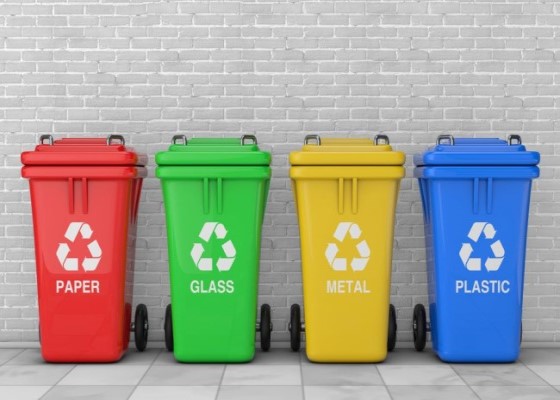
Approximately 25% of the recycled material is eventually transferred to the waste stream. This is because most products with numbers and chasing arrows may not be recycled through local facilities, or even not at all. Consumers still often throw products they hope can be recycled into recycling bins without bothering to check. When we assume that putting recyclables in the recycling bin is equivalent to recycling, this “wish cycle” usually coincides with the “invisible, unclear” attitude. Unfortunately, recycled materials can severely block the operation of recycling facilities, leading to negative economic and environmental impacts, and ultimately reducing recycled materials.
Fortunately, because a material cannot be recycled in a single stream, it does not mean that it must be destined to linger in a landfill. Alternative disposal and recycling equipment provide low to no-cost recycling stations for difficult-to-recycle materials.
One difficult material that some equipment accepts outside of single-stream recycling is expanded polystyrene (EPS) foam, commonly referred to as polystyrene foam. EPS foam is light in weight and low in density and is usually used to insulate food or protect transported goods.
EPS is basically just air-filled plastic foam, but the quality results in extremely low recovery rates. For example, a 53-foot trailer full of EPS weighs less than one ton, so the cost of transporting it to a recycling facility is higher than the value of the commodity.
However, EPS has high recyclability and is in great demand. Its value is approximately $350/ton. It can be recycled and reused effectively. A foam densifier is a good helper. It can safely extract air from the material and compress it into a manageable size.
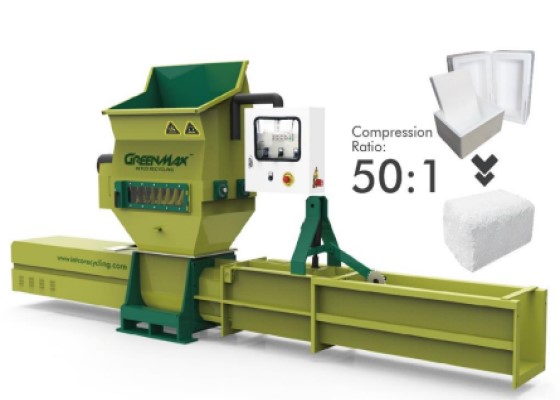
One of the selling points of EPS is that it is very lightweight. This is very useful for reducing the transportation cost of EPS-packaged products, but for recyclers, it is not efficient to transport large amounts of lightweight materials. The solution is to make the EPS dense, essentially change the expansion process, and eliminate the air that makes the EPS so lightweight. There are several ways to do this.
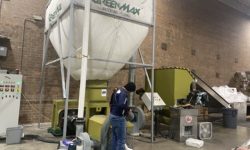
The recycled EPS foam can find a new life through recyclers who have the ability to dispose of it. Recyclers that accept EPS first separate it from other materials. The polystyrene can be fed into a Styrofoam compactor, cut into small pieces, and then moved through a device that compresses the EPS to a small portion of its original size, thereby forming a dense mass of compressed material. The foam can also be heated until it is basically melted into a thick paste, and then extruded and shaped into a block with the device foam densifier.
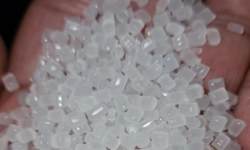
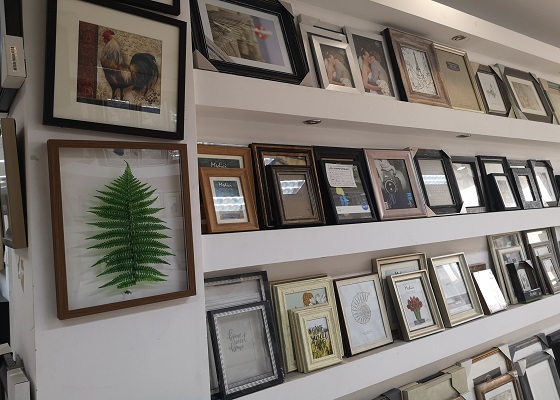
Finally, the dense expanded polystyrene is shipped and sold to manufacturers. Densified EPS may be shipped to countries such as Malaysia or sent to one of the few US manufacturers that use polystyrene to make recycled products. From there, the dense EPS can be transformed. It can be ground, melted, drawn into thin strips, then cut into small particles, and finally used to make photo frames and clothes hangers. Recycled EPS is sometimes also used in construction, manufacturing composite building materials, and architectural decorative moldings.
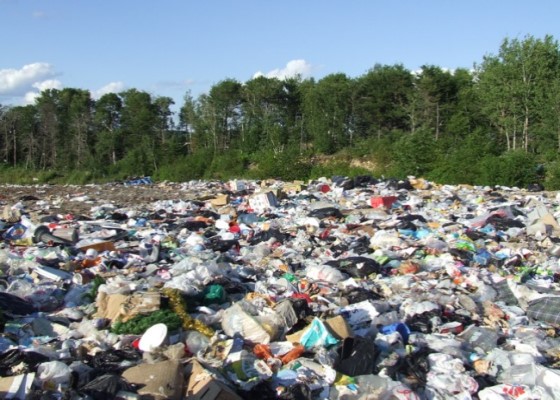
Currently, more than 90% of EPS materials end up in the waste stream. These bulky products occupy about 25% of the landfill space and may take hundreds of years to degrade. However, a special machine called EPS foam densifier can be used to EPS foam and concentrate it to about 50-90 times lower than its original volume. This condensed EPS material will be further processed and then used to make other plastic products. In addition to greatly reducing the area of the landfill, recycling one ton of EPS material can also save 600 gallons of oil. Although there is still a lot of progress, recent initiatives have improved foam recycling and saved landfill space.