When considering using foam densifiers or foam compactors, one of the problems that many people encounter is how much waste they have. Foam packaging blocks and colored foam panels are very light and can be very bulky. With these materials, things seem huge in quantity.
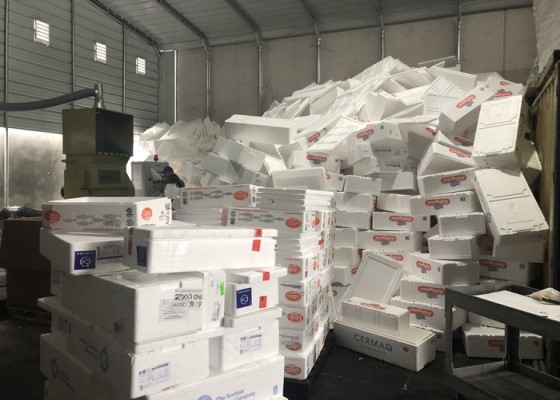
Typical EPS foam packaging and insulation materials are usually in the density range of 1 to 2 pounds per cubic foot. This means that if you have a solid foam cube that is 12 inches x 12 inches x 12 inches, its weight will be between 1 and 2 pounds.
Since most packaging foam is not used as a solid block but is molded into a relatively thin design to protect the product, it may take several cubic feet of polystyrene or polyethylene packaging foam to equal one pound of foam. Never mind. EPS foam densifier easily helps you solve and control the number of EPS waste every week or month.
Table of Contents
A guide to estimating the actual number of EPS or EPE
To give you a better idea of how much packaging foam you might have, here are some guidelines for estimating the weight of uncompressed EPS or EPE foam pieces (excluding stacked foam boards and slab foam).
- A 53-foot trailer load will weigh 1500 to 2000 pounds.
- A 20-yard roll-off bin containing only EPS foam will hold 200 to 300 pounds of EPS.
- An 8-foot-tall 12-foot-square foam-wrapped mound weighs approximately 100 to 150 pounds.
Not all foam waste is the same
If you have been using foam packaging for a while, you will know that there are all kinds of foam packaging. If you are not familiar with packaging foam, remember that all of these are different. Therefore, choose different Polystyrene recycling machine.
Polystyrene foam is a registered trademark of the Dow Chemical Extruded Polystyrene Foam (XPS) brand. It often appears in the form of blue polystyrene foam boards. Expandable polystyrene (EPS) is a bead-like foam that can be formed into shapes, blocks, and sheets.
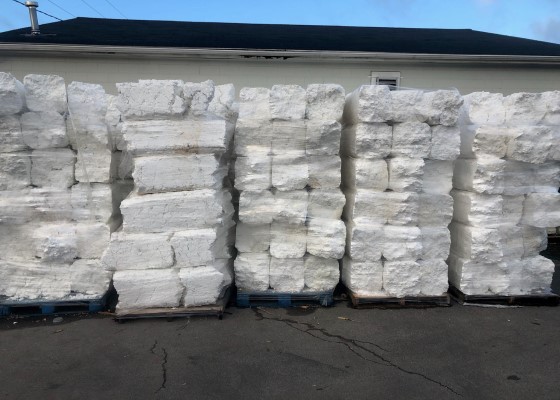
It is usually white, but it can be dyed in any color. It also consists of approximately 95% air. EPS is often but incorrectly referred to as polystyrene foam. But it is versatile and has been used in the packaging, insulation, and construction industries for decades.
How EPS foam recycling machine can make your business more profitable
Like most recyclable materials, expanded polystyrene (EPS) foam recycling has proven to be very valuable. Realize value by reducing the costs associated with the waste removal process. Many companies hope to gain an advantage through waste expenditure. These companies know that they can directly increase profitability by minimizing waste costs.
Two costs need to be drastically reduced to truly provide value for the company to benefit from the effort of recycling program. Labor costs and energy use may be the two main costs of the EPS recycling program or any related recycling programs. The initial cost of the Polystyrene recycling equipment is often a small part of the foam recovery program.
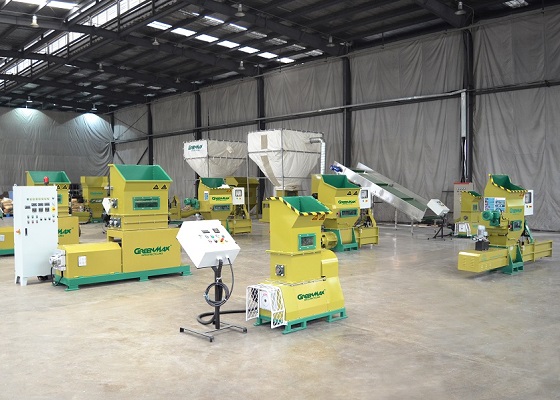
Purchasing recycling equipment with low energy consumption without compromising performance and using appropriately sized equipment to minimize labor can help simplify the annual costs associated with waste removal. When labor and energy costs decrease, most tasks become more cost-effective.
Minimizing labor costs is crucial because they will greatly affect the bottom line. The use of styrofoam recycling machinery, especially EPS densifier and EPS compactor can reduce running time can save a lot of costs. If you offer part-time work instead of full-time work, consider the amount of savings from the benefit plan and other expenses incurred by hiring additional labor.
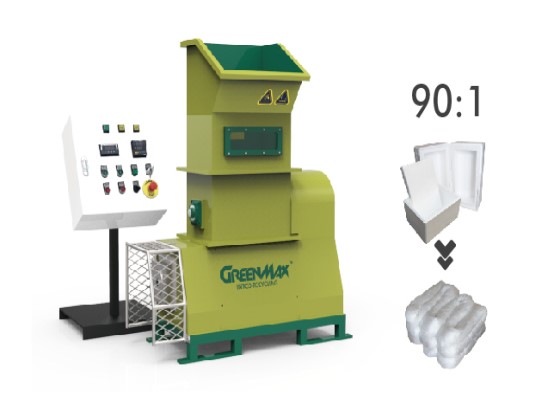
If your operation runs the equipment 10 hours a week instead of 40 hours, consider how much you will save each year. This may mean that employees have a few hours a week to use larger machine, such as EPS densifier, instead of hiring additional workers. No matter how we look at it, the initial equipment cost will help reduce the need for additional operating time and working time.
Efficient energy consumption is a prerequisite for EPS recycling equipment. High energy costs will significantly reduce any profits from EPS foam recovery. Choose the right foam densifiers or foam compactors which can help reduce waste quickly, economically, and safely.