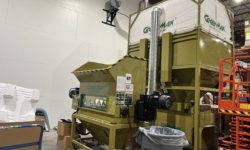
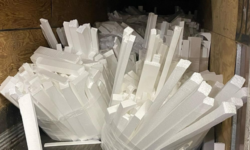
There has always been a misunderstanding that polystyrene foam (EPS) is not recyclable, which is wrong. Polystyrene foam recycling is getting more and more popular. Polystyrene foam or styrofoam is the number “6” recycled plastic, which must be reduced or compacted by a polystyrene densifier before it can be shipped to plastic recyclers.
Table of Contents
Polystyrene foam has great value
Polystyrene has become a raw material that recyclers dream of, and it will have a wide range of markets. Polystyrene has also become a source of various packaging and energy absorption needs. In most cases, these materials are 100% recyclable and are even more valuable as recycled commodities.
With more and more ways to recycle plastic materials, the value of recycled polystyrene codes continues to climb. Environmental debates about plastic materials have driven the need to move foam materials from landfills. However, these foam materials, which are in great demand on the market, are often sent to landfills as waste.
Due to the related environmental issues that polystyrene foam causes, the recycling of expandable polystyrene foam (EPS) have become an issue of increasing concern. EPS products have a very marketable position in today’s economy. Since these products are so common, their existence helps to prove the sustainability of expanded polystyrene.
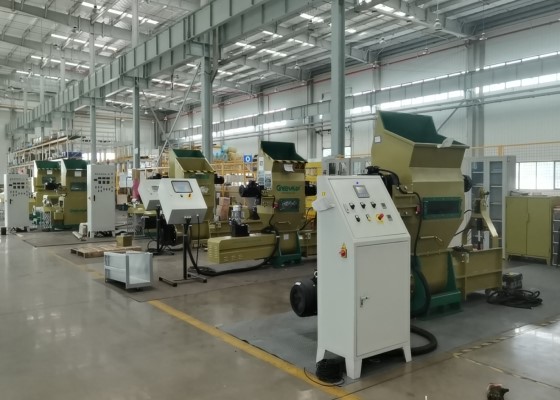
Using expanded polystyrene foam as a recyclable commodity and increasing its value can greatly help increase the recovery rate. These things can also make consumers more aware of the use and sustainability of recycled EPS. Then, the EPS densifier will be a good helper.
The price of virgin polystyrene in North America continues to rise. Products made from recycled EPS have also increased. These factors help push the price of recycled EPS foam to very attractive levels. Now is a good time to revisit EPS foam waste. The return on investment of the EPS compactor is much better.
Recycled EPS applications
Over the years, people's attitudes towards EPS have changed a lot, mainly because EPS is completely recyclable. Nowadays, individuals and companies are increasingly aware of environmental protection, and reducing waste has become a top priority.
Although EPS is lightweight, durable, and inexpensive, it cannot be landfilled because it is not biodegradable. This is why it is necessary to recycle EPS. Some people think it is much better to make products with new materials, but the situation with EPS is different.
It is often cheaper to produce new EPS foam products than old EPS foam products. This method is very effective in terms of packaging materials. Currently, recycled EPS cannot be used to make insulated cups, foam trays, or anything that can come into contact with food.
However, EPS can be used to make outdoor furniture, roof tiles, hangers, seedling containers, door and window frames, packaging peanuts, and other items. It can even be mixed with concrete and used to make precast concrete blocks. When EPS is combined with soil and compost, it helps to promote aeration.
When EPS is mixed with plastic, it can be used to make decorative panels and interiors. EPS has also become very popular in the construction industry. It is used to make insulated concrete formwork and other structural panels, thereby helping to make building practices more sustainable.

EPS recycling machines help you solve EPS foam waste
Although EPS is highly recyclable, it is difficult to recycle at the consumer level. It must be transported to a facility where it can be compressed. Once compressed, it can be recycled and used again. If you are an individual, you can send the waste EPS foam to a local recycling center.
Although some municipalities and recycling centers do not accept EPS or styrofoam waste, this does not mean that these materials are not recyclable. These places may not have suitable foam recycling machines to convert these light and heavy materials into compact forms for economic transportation.
If you are in business and have been considering using styrofoam recycling machinery for recycling, you need to know that recycling companies need dense EPS materials. The sales revenue of these materials can even offset the cost of the Styrofoam compactor.
Moreover, a complete trailer loaded with loosely stacked EPS foam weighs only about 2000 pounds. After the foam passes through the EPS foam densifier or EPS compactor, 40,000 pounds or more can be placed on the same trailer, saving transportation costs.
If your business uses a lot of polystyrenes and needs better recycling methods, a Polystyrene densifier can help you. By installing one on-site, you can compress the bulky foam waste, making it easier to transport and recycle. GREENMAX focuses on professional EPS recycling systems that can help simplify operations and save your organization time and money.