What is the difference between EPS foam and EPE foam? How to recycle polyethylene foam? GREENMAX will introduce you to two types of foam characteristics and recycling methods
First of all, we must first understand what is PS foam and PE foam. These two kinds of foam are very different in terms of shape and material characteristics, and it is relatively easy to distinguish. Fully understanding the different characteristics of different foams is of great help to the use and recycling of materials.
What is PS foam?
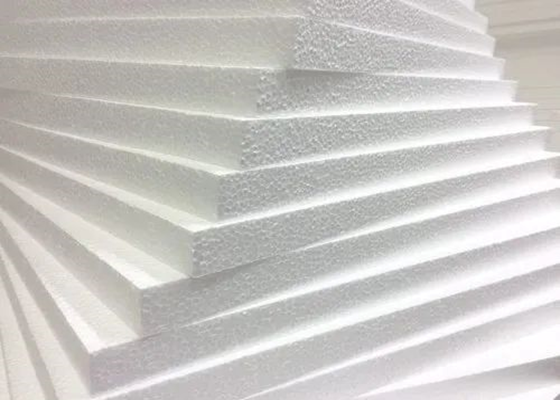
Polystyrene (PS) plastic is a naturally transparent thermoplastic that is available as both a typical solid plastic as well in the form of a rigid foam material. Three major types of PS (polystyrene) include PS foam, regular PS plastic, and PS film. Among them, PS foam includes EPS foam[1] and XPS foam. These two types of foam are lightweight and inflated when inflated with air, and are commonly used in the packaging and construction industries. PS Plastic is usually our common rigid plastic, such as plastic water cups, HIPS, PS yogurt boxes, etc. PS film can also be vacuum formed and used in packaging applications. Films can be stretched into oriented polystyrene (OPS)
【1】
What is PE foam?
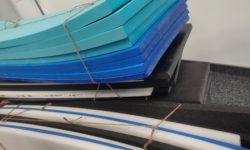
PE is closed-cell foam, meaning its structure is made of millions of tiny bubbles, sealed off from each other. This provides resistance to water, in addition to a strength and rigidity not present in open-cell foams. It is also resistant to solvents, and petroleum products, and is antimicrobial as well, inhibiting the growth of mold, mildew, and bacteria. Especially EPE foam [2] (expanded polyethylene foam), which is mostly air, has high elasticity, will quickly return to its original shape after receiving a strong impact, and has good impact resistance.

【2】
Another common PE material is PE film. PE film is a plastic film made from ethylene, a hydrocarbon that is mainly obtained from natural gas or petroleum. The terms 'plastic sheeting', 'polyethylene sheet', 'poly sheeting', or 'poly film' are often used as synonyms for polyethylene film. These films are then used in construction as vapor retarders, window films, flooring and countertop protection, and even in roofing.
Today we mainly talk about the difference between EPS foam and EPE foam. EPS foam has a granular structure and almost no elasticity, and it will be broken when it is lightly broken. However, EPE is not granular and has great elasticity when pressed by hand, and it is difficult to break it without tools. No matter what kind of EPS foam or polyethylene foam, they are all plastics. Plastic is a non-degradable material, so it must be handled properly, otherwise, it will cause serious pollution to the environment, so we must recycle waste in an orderly manner while using plastic materials. We are already familiar with the recycling of EPS foam, you can check the previous information on the website. Today we will introduce you to how to recycle polyethylene foam (EPE foam) and which PE foam recycling machine to use
How to recycle polyethylene foam (EPE foam)?
EPE foam recycling has always been a headache for many people. In the process of use, high elasticity makes it a significant advantage, but this feature has become one of the reasons why it is difficult to recycle during the recycling process. Because the elasticity is too large, we can imagine that this method of compression is not suitable for EPE foam recycling. Therefore, when we recycle EPE foam, we can consider two directions. On the one hand, we can solve the problem that high-elasticity EPE foam is not easy to polymerize. On the other hand, we can directly change the shape of polyethylene foam and turn it into a form that is easy to compress. Based on these two ideas, GREENMAX recommends that you use these two devices for EPE foam recycling.
PE foam compactor
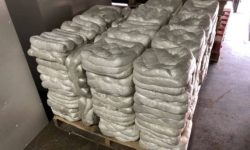
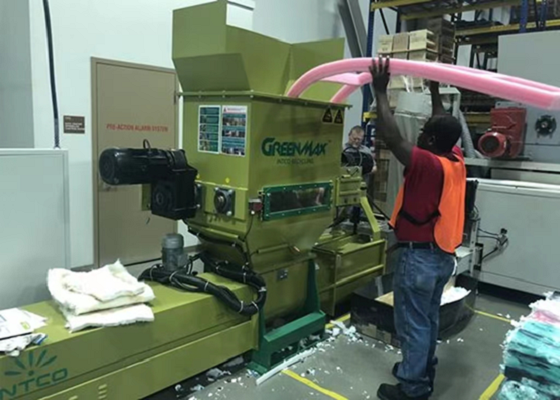
PE foam compactor mainly uses cold pressing technology to break the EPE foam and then squeeze it with a screw, but as we mentioned above, it is difficult to compact high elastic foam. Therefore, we added a hot-melt ring on the basis of a PE foam compactor to heat and melt the surface of the EPE blocs to form a sealing layer that tightly wraps the inner EPE fragments to form dense EPE blocs
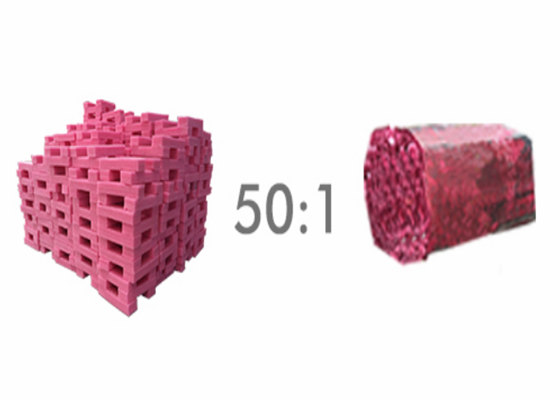
PE foam densifier
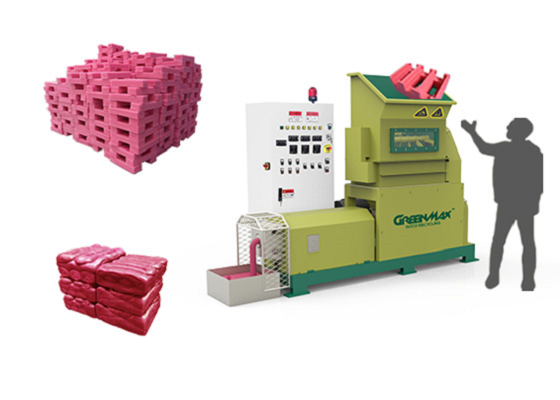
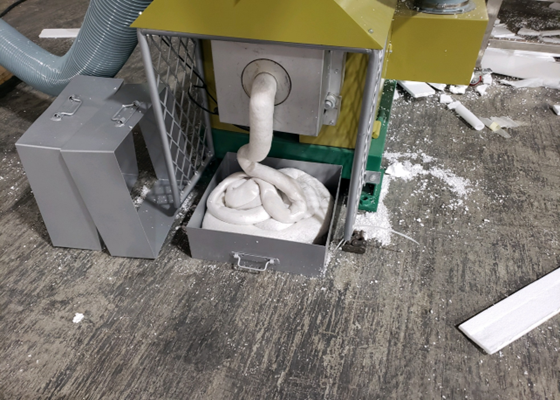
PE foam densifier adopts hot-melt technology. After crushing, it directly changes the shape of EPE foam, melts it into a gel, and then extrudes it. Because it becomes a hot and sticky state, the extruded EPE foam is naturally very easy. Aggregate together to form dense ingots of foam. The compression ratio of PE foam densifiers is 90:1. The high compression ratio and the variety of processed materials are the reasons for the popularity of PE foam densifiers. In addition to EPE foam recycling, this machine can also recycle EPS, XPS, EPP, and other types of foam.
Now, do you know something about EPE foam recycling? If you also want to recycle polyethylene foam or other types of foam, please feel free to contact us. As an expert with more than ten years of experience in the field of recycling and equipment manufacturing, we will give you professional solutions!