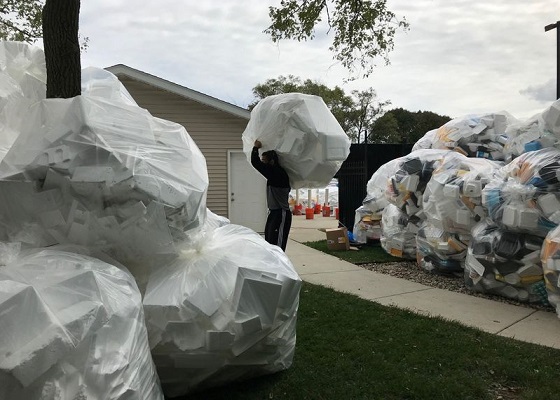
“I have no idea to deal with a large bundle of EPS foam garbage, there are few recycling centers accept such material.” complained a local resident.
“EPS cut-offs take up too much space in the warehouse, and recyclers cannot collect the waste foam in time, this will seriously affect the normal operation of our plant.” Troubles from an EPS manufacturer.
Why is it so difficult to recycle EPS foam?
In previous posts, we have shared many articles on EPS recycling solutions. You may have questions: why most recycling facilities do not accept this material, and why it is not easy to recycle?
In fact, EPS can be easily recycled. What’s the problem? It's hard to make profits-turning EPS waste into money. This is the reason why it's hard to find recycling centers and recyclers that interested in dealing with it.
The main problem is weight. The exact reasons that make EPS so widely used for packaging are the same ones that make it difficult to recycle. Any profit arising from the recycling of the material is generated by value - the value is calculated "per pound". Lightweight materials are very bulky, which increases storage and transportation costs. Based on these costs, EPS recycling appears to be unprofitable.
Therefore, considering the profit and cost performance of recycling, no one is willing to recycle this material, which is the main reason for the difficulty of EPS recycling.
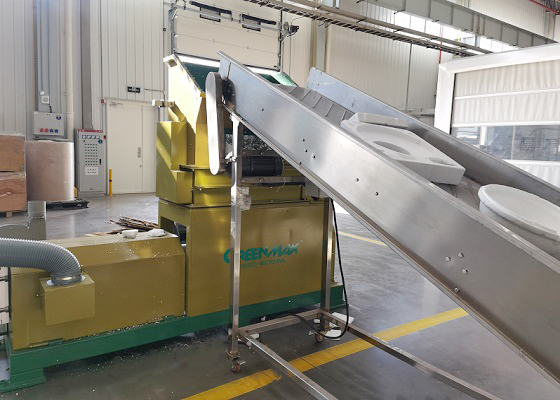
GREENMAX EPS densifier helps solve the weight problem
In order to overcome the "lightweight" problem, EPS needs to be processed by an EPS foam recycling machine before transportation. This can significantly reduce transport costs per pound and make recycling cost-effective.
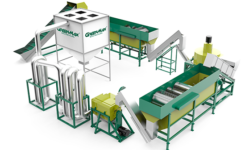
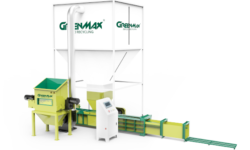
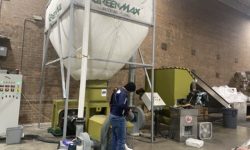
GREENMAX EPS Densifier is professional for EPS volume reduction. This machine uses the hot-melt principle to process EPS waste, uses well-known accessories, high quality, and simple to operate, which can be used for over 10 years. With a compression ratio of 90:1, the foam recycling machine is popular among large distribution facilities, furniture warehouses, seafood plants, manufacturers, and cutters.
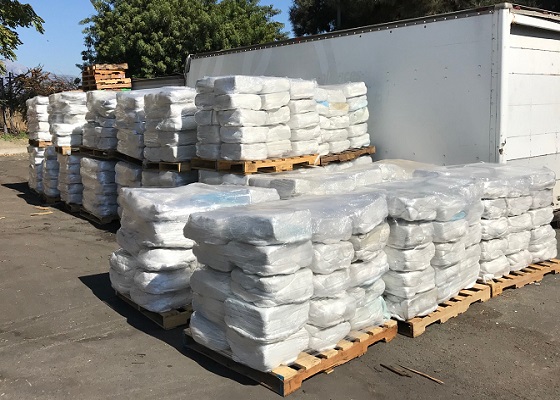
The EPS densifier used to perform this process may be expensive, but the compressed foam can be reused and sold at nearly twice the price of the loose material. If you calculate the EPS waste storage cost, transportation cost, incineration and landfill or paid disposal costs, and compared with the investment cost above, you will find that this project is profitable from the perspective of return on investment.