Marine pollution has become a major environmental issue of global concern. Plastic pollution, especially hard plastics, has posed a serious threat to marine ecosystems and biodiversity. Thousands of tons of plastic waste enter the ocean every year, including large amounts of hard plastic. These plastics stay in the ocean for hundreds of years, not only affecting the survival of marine life, but also threatening human health. In order to deal with this problem, plastic shredder, as an effective recycling equipment, has become an important tool to solve hard plastic pollution. This article explores how plastic shredders can be used to recycle hard plastics, reduce ocean plastic pollution, and promote sustainable development.
1. The harm of marine hard plastic pollution
1. Threats to marine life
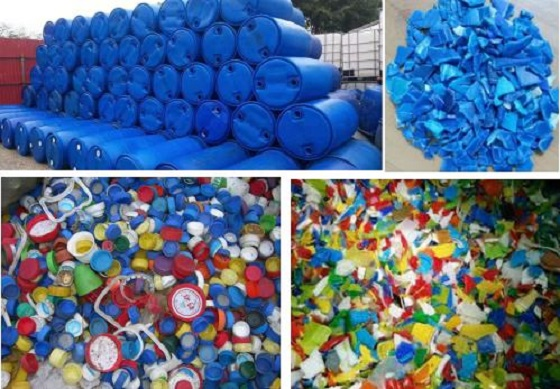
Rigid plastics are mainly made of polyethylene (PE), polypropylene (PP), polystyrene (PS) and other materials. These materials are not easily degraded in the ocean, forming ocean "plastic islands" and garbage patches. Marine life often eats these plastic wastes, causing:
·Digestive system damage: Hard plastics can clog or harm the digestive systems of marine life, causing starvation, death, or reproductive problems.
· Accumulation of toxic substances: Hard plastics will absorb harmful environmental pollutants (such as heavy metals, toxic chemicals, etc.). These harmful substances will enter the food chain when plastics are accidentally eaten, posing potential threats to aquatic ecosystems and human health.
2. Environmental pollution and ecological damage
· Habitat destruction: Floating hard plastics can cover coral reefs, seaweed and other aquatic plants, hindering their photosynthesis and growth, further damaging marine ecosystems.
·Diffusion of microplastics: Hard plastics will be weathered and broken into microplastics when exposed to the marine environment for a long time. These microplastics are more harmful to marine life and are difficult to clean up.
2. The role of plastic crusher in hard plastic recycling
1. Shred hard plastics for easy processing and recycling
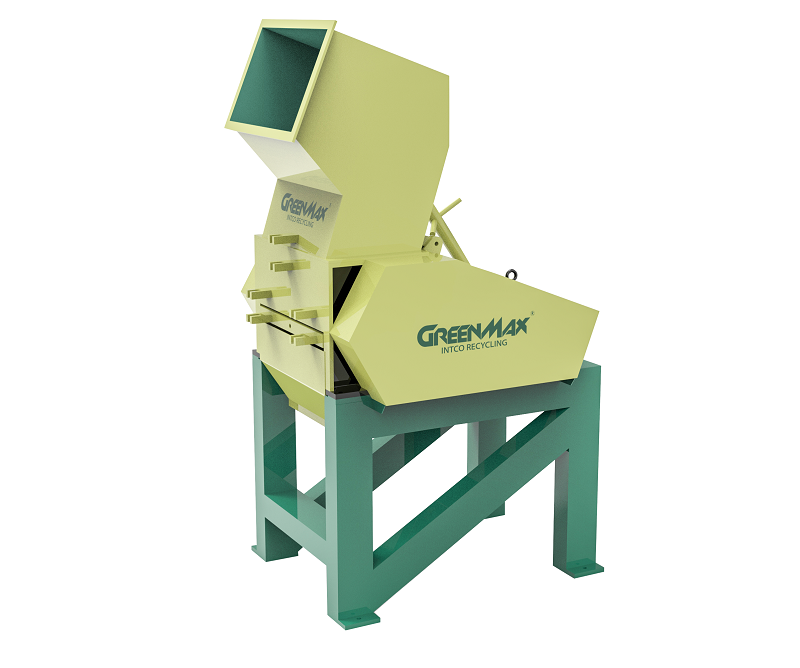
GREENMAX Plastic shredder can crush hard plastic waste into smaller fragments or particles through efficient mechanized operation. The main benefits of doing so include:
·Reduced volume: After crushing, the volume of hard plastic is greatly reduced, making it easier to store and transport, and reducing recycling and processing costs.
·Increase recycling efficiency: The shredder can quickly process rigid plastics of various sizes and shapes, including bottles, containers, packaging, auto parts, etc. These fragments can be further used to make new products or as other raw materials.
2. Efficient recycling and resource reuse
Crushed rigid plastics can be reprocessed into new plastic products such as pipes, plastic sheets, recycled plastic pellets, etc., or used in other industries such as construction, agriculture or textiles:
·Recycled plastic pellets: Through melting and granulation, crushed hard plastics can be converted into recycled pellets that can be used to produce new plastic products, reducing the need for virgin plastics.
·Plastic composite materials: Crushed plastic can also be combined with other materials (such as wood, metal, etc.) to produce lightweight building materials or automotive parts, further extending the service life of the plastic.
3. Reduce the negative impact of plastic waste on the environment
Through recycling, crushed hard plastics can effectively avoid being discarded into the ocean or landfills, thereby reducing environmental pollution. In addition, using recycled hard plastics to produce new products can help reduce the consumption of petroleum resources, reduce greenhouse gas emissions, and promote the development of a circular economy.
3. How plastic crushers help reduce ocean pollution
1. Reduce plastic waste at source
Plastic shredders play a vital role in waste management, especially in shoreline, port and marine debris cleanup efforts. By promptly recycling and processing these discarded hard plastics, plastic shredder can effectively prevent these plastic wastes from eventually flowing into the ocean and causing greater pollution.
·Beach Cleanup: During beach cleanup operations, the Plastic shredder can quickly process hard plastic picked up from the beach, making it easier to transport, recycle and reuse.
·Garbage recycling stations: At urban garbage recycling stations or waste sorting stations, shredder can sort and crush hard plastic waste to create conditions for subsequent recycling and reuse.
2. Effectively clean up marine debris
· Marine garbage collection: With the development of technology, some companies and environmental organizations have developed equipment that can collect plastic waste directly in the ocean, such as collecting plastic waste by using a mesh trawl, and then preliminary processing of these wastes through plastic shredder .
·Plastic garbage cleaning ships: Some innovative cleaning fleets have also begun to carry out ocean cleaning work on a global scale. The use of shredder can effectively reduce the volume of plastic garbage on board and optimize the efficiency of garbage disposal.
3. Reduce the formation of microplastics
Plastic shredder helps reduce the exposure time of hard plastic waste, preventing them from being exposed to the environment for long periods of time and breaking into microplastics. This not only helps reduce the harm caused by microplastics to marine life, but also helps reduce the risk of microplastics entering the food chain.
Using plastic shredder to recycle hard plastics is an effective way to not only reduce ocean plastic pollution, but also promote the realization of circular economy and sustainable development. With the continuous advancement of recycling technology, policy support and the joint efforts of all sectors of society, plastic shredder will play an increasingly important role in solving the problem of marine pollution. Through innovative technologies and global collaboration, we can create a cleaner, more sustainable future by reducing ocean plastic pollution and protecting marine ecosystems.cs