
You may not know what Styrofoam is? But you must see it everywhere, in a lot of forms such as coffee cups, egg cartons, and household appliances packaging material.

Styrofoam is made of 95 percent air, which makes it a good insulator and very light. The most common uses for Styrofoam are the Styrofoam packing peanuts, which is an effective way to protect fragile goods from damage.
What’s more, Styrofoam is a common material used for food and drink holders and packaging. These include coffee cups, coolers, egg cartons, to-go boxes, plates and bowls.
But Styrofoam is also problematic, it is non-biodegradable and can break down into small pieces that litter storm drains, waterways, beaches and the ocean to pollute our environment and our ocean.

A lot of cities have joined the group to ban Styrofoam products. It is reported that York High School seniors are taking democracy and a concern for the environment to heart, and have launched an online petition drive to ban Styrofoam takeout containers from being used by restaurants in York.
"if the containers are washed to sea, they break down into small particles that various sea creatures can ingest. We had thought about undertaking a beach cleanup for their project, but that’s not addressing the root of the issue. The root is Styrofoam. We’re done looking at it,” Wilkinson said, a student of the school.
As the student said that the Styrofoam container is deleterious to the ocean, cleanup is not the ultimate way of disposing Styrofoam. however, banning also is not the wise way.

Only by recycling Styrofoam can we turn Styrofoam waste into valuable resources without secondary pollution.
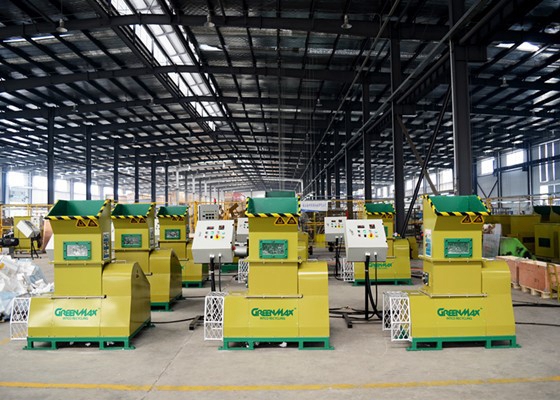
In order to recycle Styrofoam waste, GREENMAX from INTCO has always been dedicated to Styrofoam recycling for many years.
GREENMAX advanced technology Styrofoam compactor has been welcomed in over 68 countries. Because this recycling machine can 100 percent recycle Styrofoam waste with zero pollution.
The waste foam will be compacted by the Styrofoam compactor and then it can be compacted into EPS blocks and then be granulated into PS pellets. Additionally, the PS pellets can also be sold at a good price or be used to make other products.
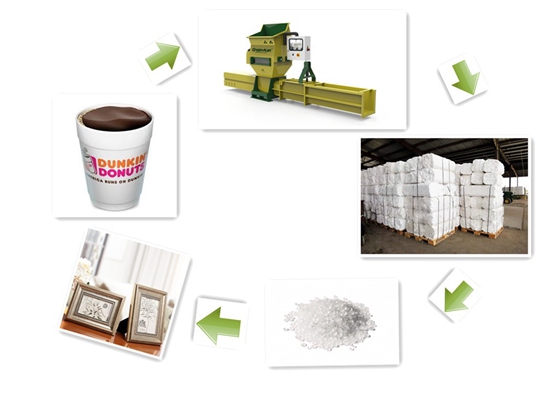
Therefore, Styrofoam recycling makes waste into valuable resources without secondary pollution. If interested, you are welcome to leave your comments.

