With the rise of urban agriculture, polystyrene seeding trays have also been used on a large scale. Even in daily life, more and more people choose to raise seedlings on their balconies and roofs, and they also use discarded polystyrene boxes. The use of foam boxes as a planting tool quickly became a popular method. Recently, there has been news that polystyrene seed trays can have an impact on cultivated vegetables, thereby affecting people's health. If you want to know whether a foam box can grow vegetables and whether it will cause harm to the human body, it is necessary to understand what ingredients it contains.
The common "foam boxes" in life are usually made of polystyrene, a lightweight, tough, insulating plastic material that helps in breeding and seedling breeding. Although it contains chemicals such as benzene and styrene, multiple processes have been taken during the manufacturing process to reduce the harmful substances it contains. Many people worry that chemicals in foam boxes will be gradually released over time, causing harm to plants and humans. However, these concerns were not borne out by the facts. The foam box is already manufactured and its contents will not be released over time. In response to this matter, a professional university horticulture professor told reporters that the main component of white foam plastic boxes is polystyrene, which itself is a relatively stable substance. It is difficult to decompose and is insoluble in water. It's not toxic either. But recycling polystyrene is definitely a topic we should pay attention to. Although polystyrene is non-toxic and harmless, it is difficult to degrade. We need to use the polystyrene recycling machine correctly to help recycle discarded expanded polystyrene seed trays, otherwise it will cause serious environmental pollution. So what types of polystyrene recycling machines can help with recycling?
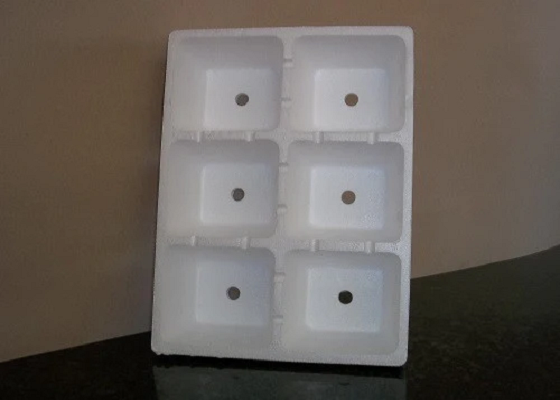
Table of Contents
Polystyrene compactor
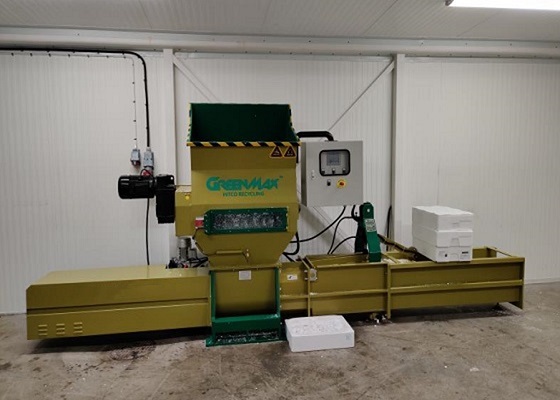
Recycling can be done using a polystyrene compactor. The polystyrene compactor is a polystyrene recycling machine that uses cold pressing technology. This recycling equipment can recycle almost all types of foam waste, especially polystyrene foam. The compression ratio of this foam recycling machine is 50:1, which is not the highest among all recycling equipment, but it can meet the needs of most recycling industries.
Polystyrene hydraulic compactor
Recycling can be done using a polystyrene hydraulic compactor. The polystyrene hydraulic compactor is a polystyrene recycling machine that uses hydraulic technology. This recycling equipment can recycle polystyrene foam, pu foam, etc. The compression ratio of this foam recycling machine is 70:1, which is suitable for customers who pursue a higher compression ratio but do not want to use a melting machine.
Polystyrene densifier
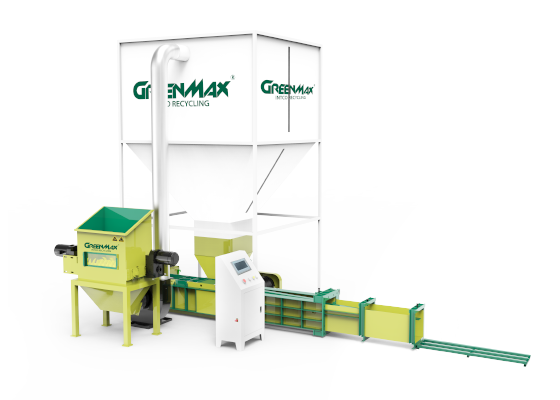
Recycling can be done using Polystyrene densifier. Polystyrene densifier is a polystyrene recycling machine that uses hot melt technology. This recycling equipment can recycle a variety of foam plastics. The compression ratio of this foam recycling machine is 90:1, which is suitable for customers who pursue higher compression.
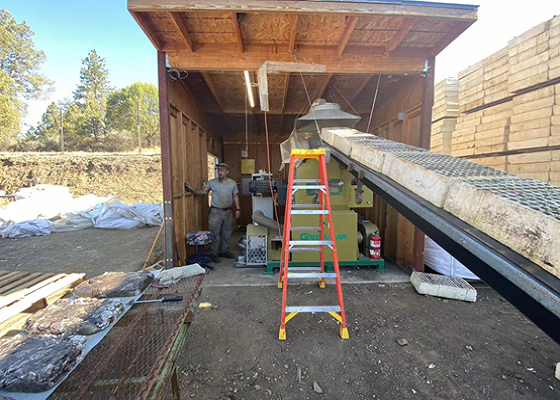
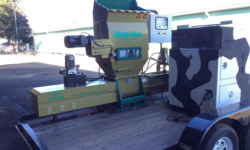
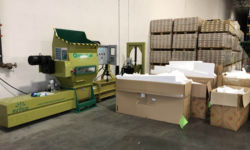
Are there any successful recycling cases of polystyrene seed trays?At present, GREENMAX has successfully helped a customer in the agricultural field in the United States to recycle polystyrene densifier. This is a polystyrene densifier equipped with a conveyor belt. The conveyor belt can transport waste at a uniform speed, helping the recycling process go more smoothly. Throw the used polystyrene foam into the machine's hopper when it first starts to be crushed into little bits. Next, drop the foam fragments into the screw portion of the machine, where they will be forced out and melted by heating components. Ultimately, the waste polystyrene will turn into hot melted ingots with a 90:1 density, which will significantly reduce the cost of storage and shipping. Specialist organizations have examined and approved the efficiency, intelligence, and safety of this heat-induced densification method.