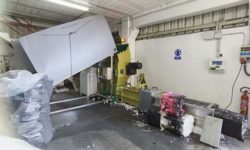
Polyethylene(EPE), polypropylene(EPP), and polystyrene(EPS) are the most abundant microplastics in the Mediterranean coastal waters, They usually appear in the expanded state, as wrappers. This was the case a few years ago, and now that people are paying more and more attention to plastic recycling, although the recycling of these three wastes has been improved, the current recycling efforts are still not enough. So we cannot relax when it comes to plastic recycling. Fortunately, Polyethylene(EPE), polypropylene(EPP), and polystyrene(EPS) are the main materials for making plastic pellets, which can be processed into new plastic products, solving most of the waste plastic problems.
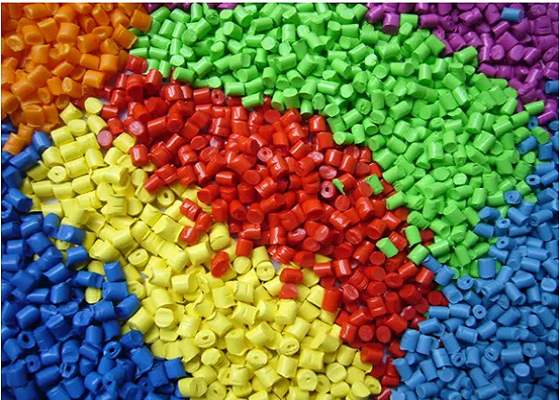
Table of Contents
PE plastic pellets
Polyethylene is a type of polyolefin. It is often abbreviated as PE. The chemical formula of PE is (C2H4)n. One of the most widely used thermoplastic polymers is polyethylene (PE). It is offered in various crystalline forms such as HDPE, LDPE, and LLDPE. The production of this common plastic involves either addition or radical polymerization. It is utilized in a wide range of products, including plastic toys, bottles, bags, and containers.
PP plastic pellets
Polypropylene (PP) is a thermoplastic addition polymer made from a combination of propylene monomers. Polypropylene (PP), as one of the five general-purpose plastics, is widely used in daily life. Polypropylene is the lightest plastic raw material, and its appearance is colorless and translucent pellets. As food-grade plastic, it is widely used in food packaging, such as foam plastic boxes, PP plastic cups, and so on.
PS plastic pellets
PS plastics include ordinary polystyrene (GPPS) and (HIPS). The advantages of PS materials are high transparency, light transmittance that can reach more than 90%, good electrical insulation, easy coloring, good processing fluidity, good rigidity, Good chemical corrosion resistance, and so on.
In the field of electronics and electrical appliances, PS plastic pellets can be used to manufacture televisions, tape recorders, and various electrical instrument parts, housings, high-frequency capacitors, etc.; architectural applications include the production of transparent components for public buildings, optical instruments, and transparent models, such as Lampshades, instrument covers, packaging containers, etc. PS plastic pellets are also often used to make combs, boxes, toothbrush handles, ballpoint pen holders, school utensils, children's toys, etc.
It can be seen that there are actually many applications of PE PP PS plastic pellets. At present, countries are also encouraging the mixing of new materials and recycled materials in a certain proportion, and then granulating, which is more conducive to plastic recycling and resource recycling.
How to make waste plastic into plastic pellets?
You can use granulation equipment to make plastic pellets. At present, PE, PP, and PS usually appear in the waste recycling process in the form of packaging, and this process usually requires foaming PE, PP, and PS to make them expand, which is what we often say EPE, EPP, and EPS. At present, GREENMAX has two types of granulation equipment for EPE and EPS loose waste.
GREENMAX EPS granulator
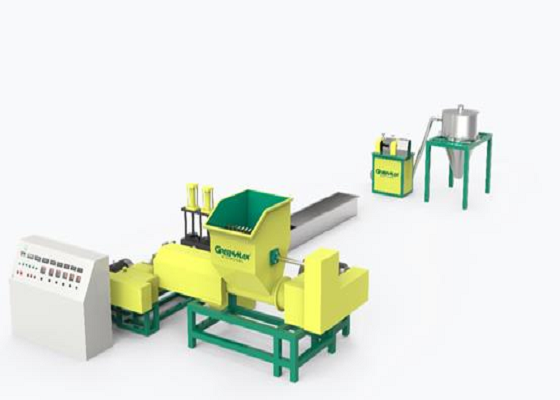
EPS granulator is also called waste EPS pellets recycling machine, which can produce foam pellets without destroying the original molecular structure, and the produced pellets are widely used. The EPS granulator is to make the waste EPS foam into granular finished products through crushing-melting-pumping-cooling-granulation and other processes.

GREENMAX EPE granulator
GREENMAX EPE granulators can produce foam pellets without destroying the original molecular structure, and the produced pellets can be used in a wide range of applications. EPE granulator to make waste EPE into granular finished products through crushing-melting-pumping-cooling-granulation and other processes. Using the EPE granulator can save most of the labor, and it can also dispose of the bulky EPE foam in time. It is a very efficient EPE granulator.
With the development of science and technology, we not only have the equipment to manufacture plastic pellets but also have ways to reuse recycled pellets, so we have no reason to avoid plastic recycling. It is everyone's responsibility to use suitable equipment for recycling! You can contact us for more information.