
As environmental awareness increases, more and more companies and individuals are paying attention to how to effectively recycle and reuse packaging materials, especially the large EPS foam packaging used in the furniture industry. EPS foam (expanded polystyrene) is widely used for packaging fragile or bulky goods, such as furniture, due to its lightweight and good cushioning properties. However, the recycling and processing of EPS foam has always been a challenge, mainly due to its bulk and resistance to degradation. This article will explore how to use EPS foam hydraulic compactor to effectively recycle large furniture foam packaging to achieve environmental protection and resource reuse.
Table of Contents
1. Environmental impact of EPS foam
Although EPS foam is easy to transport and package, it does not degrade easily and easily accumulates in landfills, causing long-term environmental problems. In addition, a large amount of fossil fuel resources are consumed in its production process, and the waste generated poses a threat to the ecosystem and human health.

2. Working principle of EPS foam hydraulic compactor
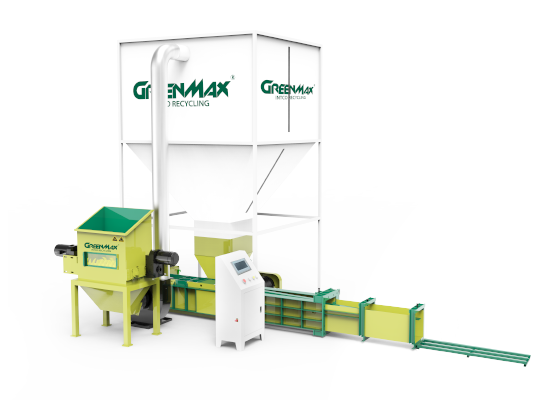
The EPS foam hydraulic compactor uses high pressure to compress EPS foam into smaller-volume blocks, significantly reducing its original volume. These compressed EPS blocks are easy to transport and store, and can also be sent to recycling processing centers for further processing and reuse. Through the compression process, transportation and warehousing costs can be effectively reduced while reducing pressure on the environment.
3. Implementation steps of the recycling process
Collection and sorting: Furniture manufacturers and retailers need to collect EPS foam packaging materials after delivery and display. Sorting is an important step to ensure that different types of materials are handled correctly.
Use EPS foam hydraulic compactor: Place the collected EPS foam into the equipment. The machine compresses the material into small pieces, reducing its volume by 1/70.
Transportation to recycling centers: Compressed EPS blocks are transported to specialized recycling processing centers, where they are further processed and may be used to produce insulation, frames or other plastic products.
4. Selection and maintenance of EPS foam hydraulic
Choosing the right EPS foam hydraulic compactor is the key to efficient recycling. GREENMAX EPS foam hydraulic compactor is one of your choices! Consider the machine's compression ratio, energy efficiency, ease of operation, and maintenance costs. Maintain your compressor regularly to ensure it is in good operating condition to avoid production delays and additional costs. GREENMAX is excellent in quality control of equipment and provides relatively professional after-sales services.
5. Economic and environmental benefits of recycling
By recycling EPS foam, companies can not only reduce their environmental impact, but also reap potential economic benefits. The compressed foam’s small size reduces transportation and storage costs, and the recycled material can be sold to other manufacturing companies, creating an additional revenue stream.
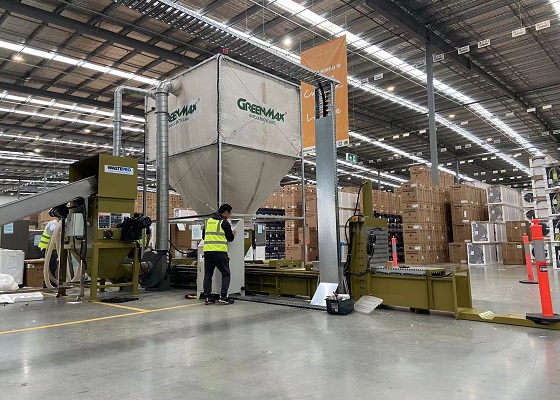
By effectively using EPS foam hydraulic compactor to recycle large furniture foam packaging, it can not only help the furniture industry reduce its impact on the environment, but also promote resource recycling and achieve a win-win situation of economic benefits and environmental protection. In addition, this also demonstrates the company's sense of responsibility and foresight in environmental protection practices, helping to enhance its brand image and market competitiveness.

