
EPS is widely used in packaging, construction, transportation and other fields. However, the recycling and reuse of EPS waste faces many challenges, mainly due to its large size, low density and high recycling cost. As an efficient recycling equipment, EPS Compactor can significantly reduce the volume of EPS waste and facilitate subsequent granulation processing. But do you really understand the whole process of EPS recycling? Recycling EPS requires not only equipment for compression, but also reuse of EPS, which can be called complete recycling and utilization.
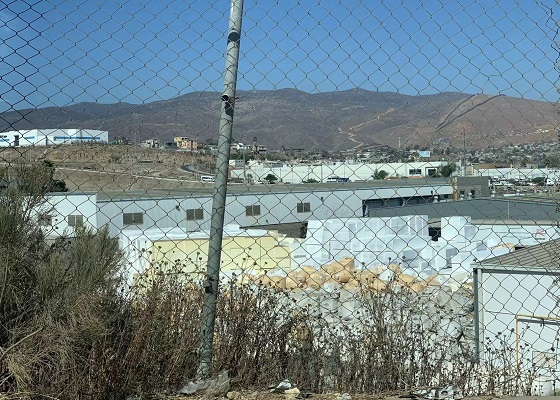
In fact, EPS recycling on a global scale is not very satisfactory, and there are usually problems in two links. On the one hand, people leave loose EPS alone and throw the waste randomly, causing serious pollution. On the other hand, some people use EPS compactors to compress waste, but only to reduce transportation costs and do not do a good job in subsequent reuse. It even happens that the compressed EPS is landfilled! This is a very regrettable phenomenon. It not only violates the original intention of recycling, but is also a serious waste of resources.
So, how to recycle EPS?
So how to achieve complete and standardized EPS recycling? After decades of practice, many people have already understood how to use EPS compactor to compress waste. So today in this article we will learn how to apply these waste to new products again, that is, how to Realize the complete EPS recycling process.
Common steps for manufacturing EPS pellets
The EPS blocks compressed by the EPS Compactor can be further granulated. The following are the main steps:
- Cleaning and drying: In order to ensure the quality of granulation, the compressed EPS blocks need to be cleaned to remove surface impurities and pollutants. It should be fully dried after cleaning.
- Crushing: The dried EPS blocks are crushed again to make them into fine particles for subsequent processing.
- Melt extrusion: Send the crushed EPS particles into the extruder for high-temperature melting and extrusion. The extruder extrudes the molten EPS material through a screw to form a continuous plastic strip.
- Cooling and pelletizing: After the extruded plastic strips are cooled by the cooling water tank, they enter the pelletizer and are cut into uniform plastic pellets.
- Packaging and storage: After quality inspection, the final EPS particles are packaged and stored and used as recycled plastic raw materials to produce new plastic products.

It is worth mentioning that GREENMAX not only provides various recycling equipment, but also actively considers the issue of "how to recycle EPS scientifically". As early as decades ago, we were aware of the seriousness of this problem, so GREENMAX had already started an independent granulation project. While helping customers who purchase the machine realize resource recycling and economic recycling, it ensures that waste is truly reused, and ultimately produces EPS pellets made from recycled materials.
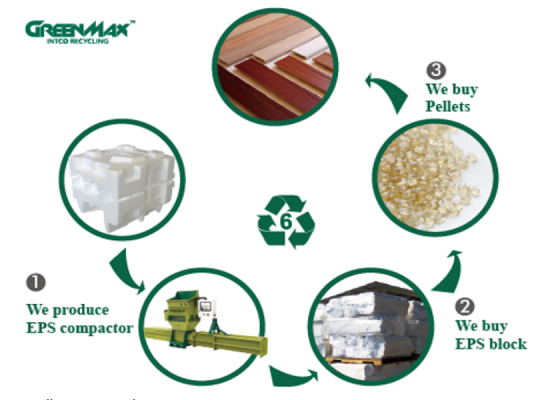
Therefore, GREENMAX actively solves the problems related to EPS recycling from two perspectives. On the one hand, it provides various recycling equipment, and on the other hand, it helps to produce EPS pellets. These measures will help the global EPS recycling industry to do better and better. If If you are interested in this and want to contribute to the recycling industry, you are welcome to contact GREENMAX at any time!

