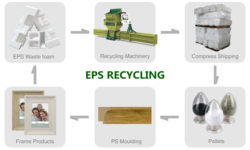
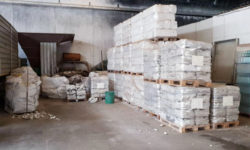
When it comes to styrofoam recycling, more and more people would say no, digging into the reason, in their general idea that the expanded polystyrene foam is hard to recycle due to its bulky-size and high cost of transportation, nothing better than just pour those EPS garbage into landfilling grounds.
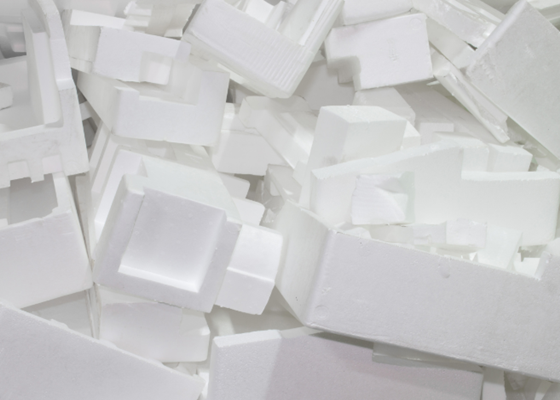
However, human beings are facing worsening environmental conditions, such as global warming, marine life is on the verge of extinction.
Under such serious living situation, people are paying much more importance on the reduction of Styrofoam waste to contribute to the environmental protection.

As a highly reputated recycling company, GREENMAX recycling would like to highly recommend you to install a foam recycling equipment around your working area, which also can be carried on the truck, so it can help compact Styrofoam wastes at anytime and anywhere. It has been proved efficient and profitable since last decade inside industry.
GREENMAX recycling produces mainly two kinds of Styrofoam compactors, one is based on the heating system, we call it hot-melting styrofoam densifier.

The waste foam can be extruded through auger in the form of a rope and you can control the time and temperature by yourself which is quite easy operation, and those ingots will be transferred into containers.
GREENMAX styrofoam densifier works well with all kinds of densification foam waste and produce “ingots” that can be sold back to GREENMAX recycling at better price. To eliminate the unpleasant odors, GREENMAX Styrofoam densifier also can install an extra exhausting pipe which can help dispel the smell when the foam is heated by the densifier.
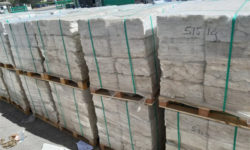
Another foam recycling machine is GREENMAX Styrofoam cold compression densifier, it uses screw drive densifiers use augers to push foam through a chamber at a specific speed and pressure to densify the foam into solid blocks. The material is compacted by pressure, not heat. They perform best when the feed stock is limited to one density of foam at a time.