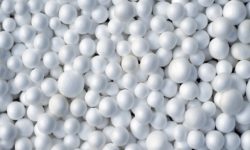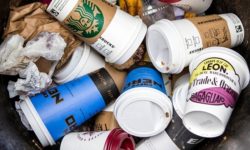
Undergraduate Student Government passed two sustainability initiatives for the removal of disposable plastic bags and Styrofoam food containers in order to reduce waste and avoid health and environmental problems. The resolution calls on Dining Services to remove all polystyrene items from all on-campus locations by Jan. 1, 2018.
Styrofoam is not biodegradable, it is easy for it to break into small pieces and spread everywhere by wind or water that can seriously pollute the environment and kill the marina life.
“If you went to City Diner, for instance, you would see Snap it Foam which is the Genpack-branded polystyrene whereas Styrofoam is Dow Chemical’s brand,” USG Director of Sustainability John Harris Alexander said.
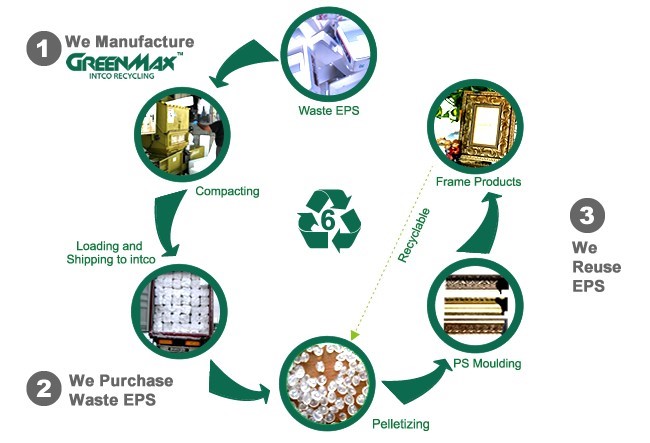
Since this year, a lot of cities have banned the use of polystyrene food containers. This question has already attracted wide attention. Styrofoam or Expanded Polystyrene is mainly used in packaging industry and it is a kind of 100 percent recyclable material that can be recycled with a Styrofoam recycling machine. For instance,the waste Styrofoam can be reduced into small ingots or blocks and then be granulated into PS pellets. Thus achieving the recycling and reusing of resources and this method is the most advanced of Styrofoam recycling.

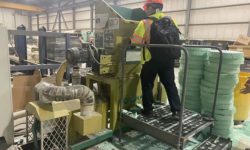
As I mentioned above the whole process of waste Styrofoam disposal is to reduce its volume and granulate it. Actually, the series of recycling process can be realized in GREENMAX from INTCO.
INTCO is a Styrofoam recycling leader, it can provide compactors and densifers to dispose of the waste foam. More importantly, INTCO is also willing to purchase back all the compressed blocks at a good price to make their own frame products.
It is INTCO’s responsibility to take steps to reduce our consumption of recyclable resources and help our environment to work towards a more sustainable future.