
How much foam waste can be produced in a year? A 2017 scientific study showed that the average person in the U.S. produces 270 pounds of plastic waste each year—more than a ton for a family of four. Of that, "only about 9 to 14 percent of the Styrofoam waste we consume is recycled."
Industry news: According to the manager of a waste management company in SALEM, MA, "only a very small amount of the total amount of plastic produced by residents can be recycled.
GREENMAX specializes in the development and production of high-quality foam densifiers, and recycles and purchases compressed foam waste around the world. After high-quality regeneration, it is produced into exquisite environmental protection frames, photo frames, mirror frames and other products, which are then sold all over the world.
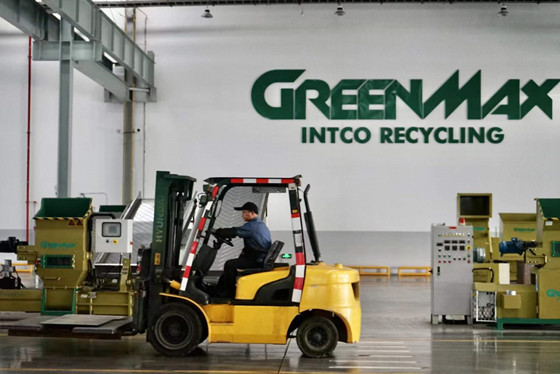
In fact, if we can increase the recycling rate in the styrofoam industry, various PS6 symbol polystyrene treatments can be recycled, which will help reduce EPS foam waste waste and generate economic benefits.
In the past 10 years, half of the Forbes rich list came from the e-commerce industry and the Internet industry, which is a testament to the booming of the delivery and packaging industry since the early 2000s.
Since EPS foam is also known as expanded polystyrene foam which is the main packaging material because of its light weight and strength, most of us consider them useless and take up a lot of space, in this case , most delivered boxes or bags will be thrown away as soon as they open the delivery item.
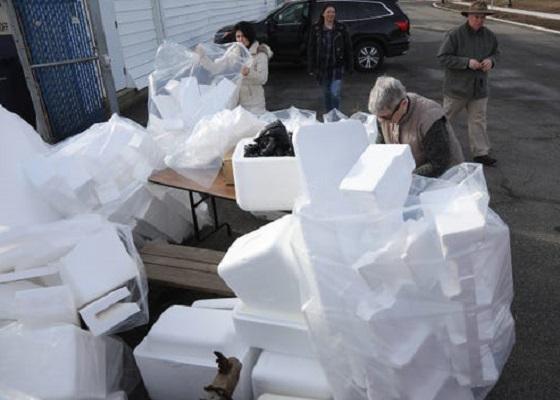
Especially for some expensive and fragile items, sellers usually use multiple layers of EPS foam packaging to keep the items intact, which inevitably leads to a lot of foam waste.
Typically, the local community center will place a recycling station on the side road to encourage citizens to collect Styrofoam waste by the roadside, set up a foam recycling day, and then transport the waste to a local waste management company for transfer to Landfill or burn down.
Opening the box where the delivery item was thrown away is a recyclable treasure
The traditional way of dealing with EPS waste can cause great harm to our environment, therefore, INTCO RECYCLING has developed the GREENMAX foam recycling machine, which will help in the recycling of EPS foam.
In order to save a lot of space, those compressed EPS materials can be returned to recyclers and end users at a better price, so you can consider starting your own business in the foam recycling industry.
J.B. Hunt Transport Services, Inc., one of the largest transportation companies in the United States, is a trucking company founded in 1956. Today, the company has developed more than 12,000 trucks.
J.B. Hunt has established cooperative relationships with a number of large home appliance companies during the company's business development. It was for this reason that J.B. Hunt generated a lot of Styrofoam waste and tried to start EPS foam recycling.
In 2016, GREENMAX contacted J.B. Hunt to help solve the EPS problem, and GREENMAX provided them with a near-perfect solution to recycle foam.

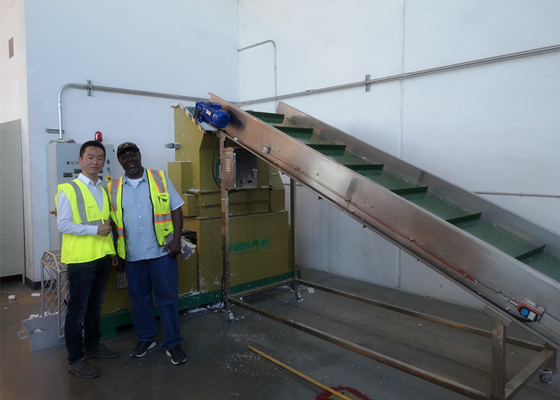
J.B. Hunt eventually ordered the GREENMAX foam densifier M-C200, the belt-equipped version. Now this machine is still in use in the warehouse of their partner company. Since having this equipment, the foam waste they process every day is easily compressed and melted into foam ingots with high efficiency, at a ratio of up to 90:1.
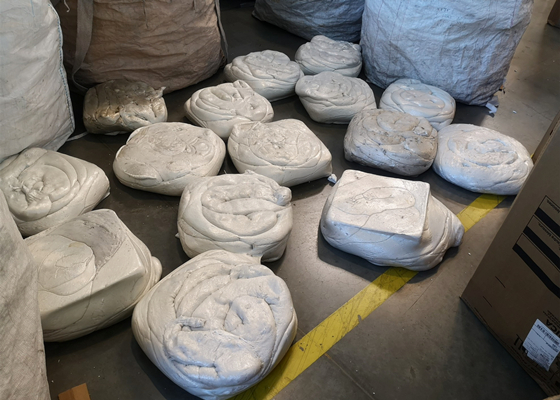
Before selling the machine, the GREENMAX team provides customers with free solution consultation. During the sale, it provides high-quality recycling machines. After the sale, it will also provide customers with a perfect after-sales service system for one year.
In May 2018, the GREENMAX team specially visited the local machine of J.B. Hunt to give guidance and feedback.
INTCO RECYCLING has always been committed to the recycling business on a global scale.

