
Recycling foam brings significant environmental benefits, including reducing plastic pollution, resource conservation and recycling, reducing energy consumption and carbon emissions, and reducing the amount of landfill, making the use of foam densifiers necessary.
Recycling foam has become an important task for all countries around the world. No matter what kind of waste is recycled, it is of great significance to the environment and economy. In particular, recycling foam, a non-degradable waste, has made outstanding contributions to environmental protection. As the home of human beings, the earth should be protected from multiple angles. However, do you really understand the environmental benefits brought by recycling foam? The contribution of Foam recycling machine has far exceeded your imagination.
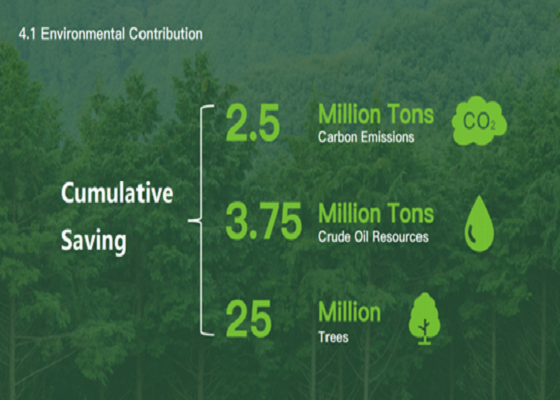
Table of Contents
Reduce plastic pollution
Foam is a common source of plastic pollution. These materials are widely used in daily life and commercial activities, such as packaging, transportation and construction materials. If these waste foam materials are not effectively recycled and processed, they can easily enter the environment, such as rivers, oceans and urban landfills, and long-term accumulation will cause serious environmental pollution problems. By using a foam recycling machine such as a foam densifier for recycling, the amount of these materials that eventually become garbage can be greatly reduced, thereby effectively reducing the risk of plastic pollution.
Reduce energy consumption and carbon emissions
Recycling foam typically requires less energy than producing new plastic. Making new plastics typically requires large amounts of energy and fossil fuels, and comes with significant carbon emissions. By recycling and reusing foam materials, these unnecessary energy consumption and carbon emissions can be significantly reduced, helping to reduce global greenhouse gas emission levels and thereby combat climate change.
Reduction in landfill volume
Foam materials break down slowly in landfills, take up a lot of space, and can release harmful chemicals into soil and groundwater. By recycling these materials, you can reduce the amount of waste sent to landfills, slow down the rate at which landfills fill up, and reduce the environmental risks and costs of the landfill process.
What types of foam waste can Foam densifier help recycle?
Foam densifier can help recycle EPE foam
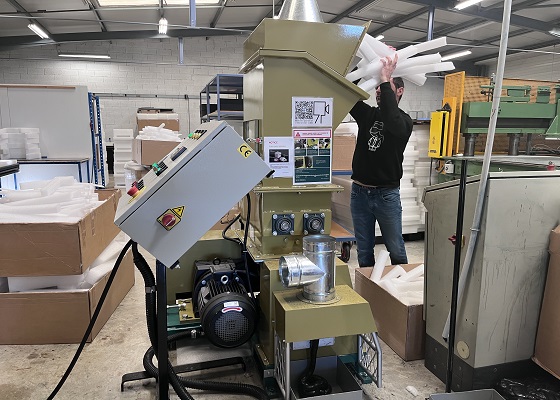
Karran USA is one of the leading manufacturers of kitchen and bathroom sinks and faucets, producing sinks in a variety of durable materials including stainless steel, acrylic, quartz composite and glass china. Some of these parts will use foam packaging, including EPS and PE foam. At the beginning, the company successfully processed EPS foam, but as the business continued to develop, more and more EPE foam packaging was produced, and the foam recycling machine in use at the time could not handle EPE foam well. So after multiple ways of investigation and evaluation, GREENMAX foam densifier M-C200E was finally selected to help recycle PE foam.
Foam densifier helps recycle EPS foam and EPS dust
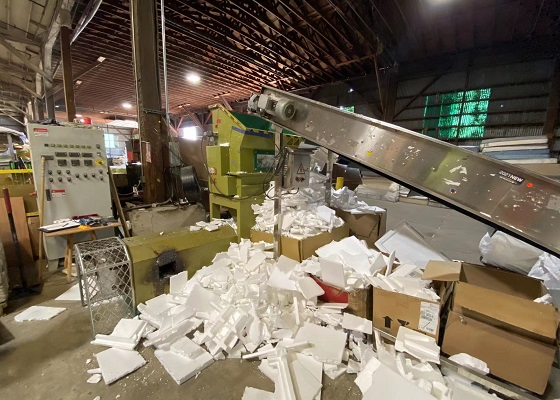
TECNOLOSAS is a company located in Mexico, mainly engaged in the production of EPS foam building materials. At first, the company was engaged in EPS foam distribution. As the business scope gradually expanded, it wanted to use foam recycling machien for recycling. However, in the recycling process, in addition to EPS blocs, the EPS dust produced is also one of their problems. Compared with ordinary EPS waste, there are still some differences and difficulties in the treatment of EPS dust. However, GREENMAX has experience in dust treatment, and specially customized a foam densifier specifically for processing EPS dust according to the customer's requirements, and finally successfully realized the EPS Foam dust recycling.
Foam densifier helps recycle EPP foam
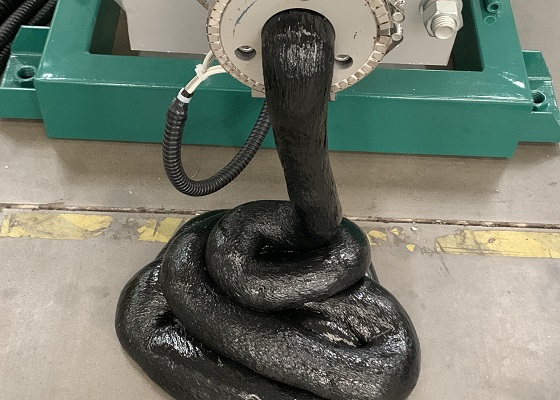
EPP foam is a material with a higher hardness than EPS and EPE foam. It is mainly used in the packaging of precision instruments and automobile parts. It can be recycled with the help of foam densifier. It is as easy and simple to recycle as the other two types of foam. The compression ratio can be Reach 90:1.
Recycling foam brings significant environmental benefits, including reduced plastic pollution, resource conservation and recycling, reduced energy consumption and carbon emissions, and reduced landfill volume. These benefits not only help improve environmental quality, but also help promote sustainable development and efficient use of resources. Therefore, promoting the effective recycling and reuse of foam materials is of great significance and value for building a clean and beautiful earth home.

