
Plastic frame strips are common plastic products in daily life, which are widely used in windows, door frames, furniture edge protection and other fields. The starting point for the manufacture of these plastic frames is plastic pellets. The plastic particles go through a series of processing processes to finally form the plastic frame we need. This production process will be described in detail by GREENMAX below.
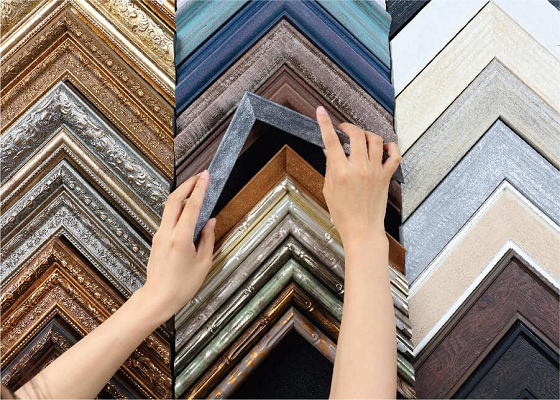
Table of Contents
Raw material preparation: plastic pellets
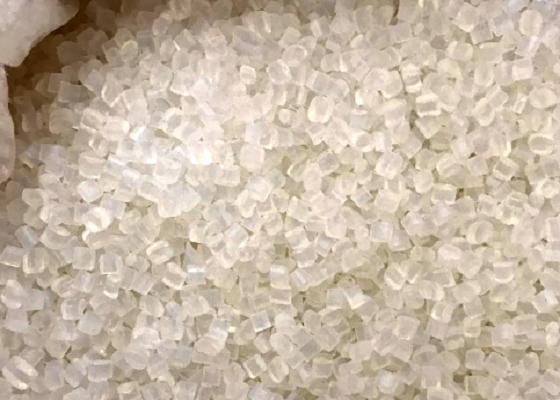
Plastic pellets are the basic material for the manufacture of plastic frames, which are usually extracted from petroleum derivatives through polymeric chemical reactions. The most commonly used plastic materials for the manufacture of frame strips include polyvinyl chloride (PVC), polyethylene (PE), and polypropylene (PP). These plastic materials offer good durability, corrosion resistance and flexibility, and are suitable for the manufacture of frame strips of various shapes and uses.
In addition to the base plastic pellets, other additives may be added to the production process, such as:
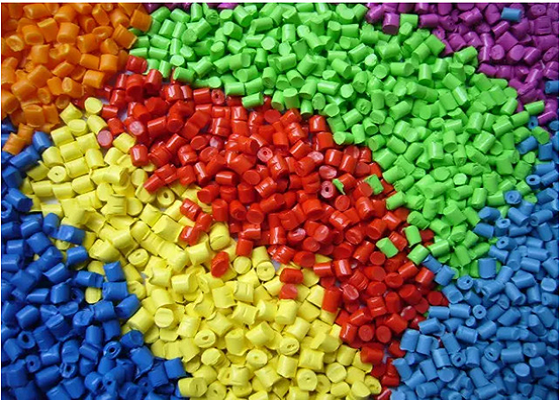
Colorant: Used to adjust the color of the plastic frame.
Stabilizers: Increase the durability of plastics, making them less susceptible to sunlight and chemicals.
Plasticizers: Improve the flexibility of plastics and prevent them from becoming too brittle.
Melting of plastic particles
In the manufacturing process of plastic frames, the plastic particles first need to be fused by heating to a plastic state. This process is usually carried out in an extruder. An extruder is a piece of equipment specifically designed for plastics processing, capable of heating and extruding solid plastic pellets.
Heating and melting: The plastic particles are fed into the feed port of the extruder, and after heating and extrusion by the heating screw, the particles gradually melt to form a high-temperature liquid plastic. The molten plastics are continuously heated and mixed in the extruder to ensure that the plastic material is homogeneous and free of bubbles. The temperature inside the extruder is usually regulated according to the type of plastic used. For example, PVC melts at a temperature of 160-210 degrees Celsius, while PP is around 160-250 degrees Celsius.
Extrusion
When the plastic particles are completely melted, they are extruded through an extrusion die. The shape of the mold determines the final shape of the plastic frame.
The extruded plastic frame usually goes into a cooling process after leaving the mold. Cooling can help plastics quickly transition from liquid to solid and maintain the shape and strength of the strip.
Water cooling: The most common cooling method is water cooling. After the plastic frame leaves the extruder, it usually passes through a water cooling tank, which quickly lowers the temperature and solidifies into a hard solid frame.
Air cooling: Air cooling is also used in certain situations that require special handling, especially for those strip materials that need to maintain a certain flexibility.
The speed of cooling is critical to the final quality of the plastic frame. Cooling too quickly or too slowly can cause the frame strip to bend or deform. As a result, the cooling temperature and time are often precisely controlled on the production line to ensure that the dimensions and shapes of the strips are stable.
Cutting and post-processing
Once the plastic frame has cooled and set, the next step is the cutting process. According to the required length, the plastic frame strip is cut to length by an automatic cutting machine. Most production lines are equipped with automatic inspection systems that are able to accurately measure the length of the frame strip and cut it at high speed.
Cutting process: Usually a rotating blade or laser cutting is used to ensure that the edge after cutting is smooth and burr-free.
Surface treatment: Sometimes, the cut plastic frame strip will undergo additional surface treatment, including sanding, polishing, and other steps to improve the smoothness and appearance of the product.

Quality inspection and packaging
At the final stage of the production line, the plastic frame strips undergo strict quality inspection to ensure that the size, shape and appearance of each frame meet the requirements. Common tests include:
Dimensional measurement: Accurately measure the length, thickness, and width of a frame using a laser or other automated equipment.
Visual inspection: Inspect surfaces for scratches, bubbles, or other defects by hand or machine vision systems.
GREENMAX uses recycled materials to make plastic particles, which are mixed with new materials to make frames, which are mainly used to make photo frames and picture frames. Before the thorough molding, we will print the frame according to different styles, and paste various stickers after molding to create imitation metal, imitation wood frame strips, and in fact, they are all environmentally friendly products made of plastic, if you are interested in this, please feel free to contact GREENMAX!

