
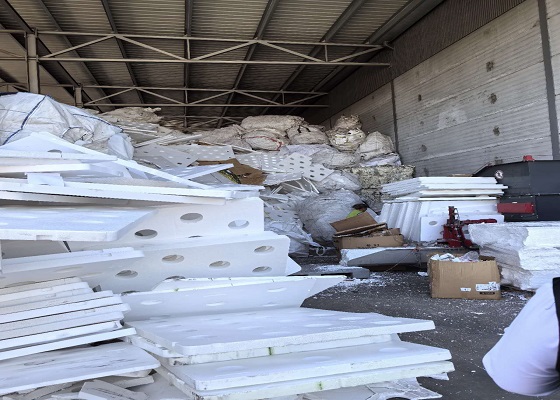
In the transportation and packaging process of modern furniture, Styrofoam is widely used because of its lightweight, thermal insulation and shockproof characteristics. However, these foam plastic packaging are often discarded randomly after use, causing serious environmental pollution. In order to solve this problem, using Styrofoam Meltr for recycling has become an efficient and environmentally friendly solution.
The random disposal of Styrofoam furniture packaging waste will cause a series of environmental problems: Styrofoam is difficult to degrade in the natural environment and may take hundreds of years to completely decompose, occupying land resources for a long time. A large amount of discarded styrofoam is scattered in the environment, which not only affects the appearance, but may also cause harm to animals. For example, wild animals may mistake styrofoam waste for food and eat it by mistake. Styrofoam is a petroleum derivative, and discarding it randomly means wasting precious petroleum resources.
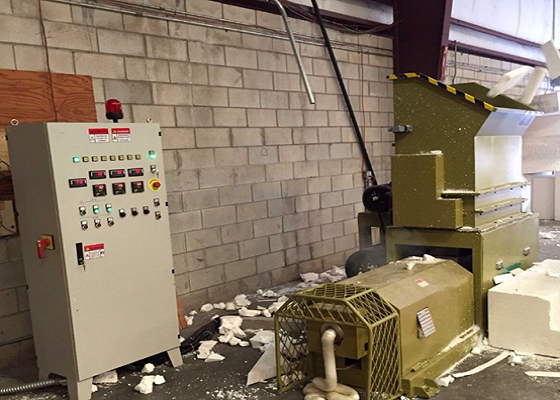
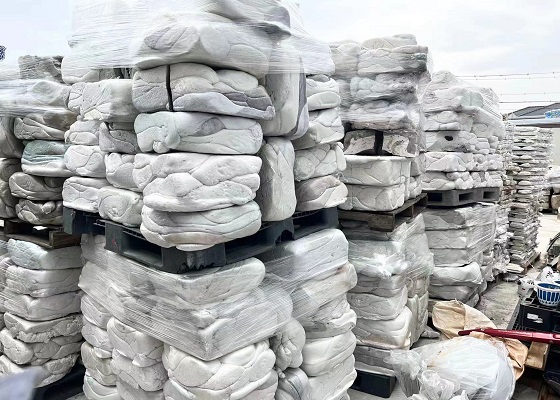
Styrofoam Melter is a piece of equipment specifically designed to process foam plastics, converting loose foam plastics into high-density block materials through heating and melting. GREENMAX styrofoam melter can compress loose foam plastic to 1/90 of its original volume, greatly saving storage and transportation space. The melted foam plastic blocks facilitate centralized recycling and processing, improving recycling efficiency.In particular, compressed styrofoam ingots can significantly improve the efficiency of granulation. The recovered styrofoam waste can be reprocessed into new products, such as plastic sheets, building materials, etc., to achieve resource recycling. GREENMAX not only provides styrofoam melter, but also repurchases these compressed waste foam to make environmentally friendly frames.
In order to effectively implement the recycling of foam furniture packaging, companies and communities can take corresponding measures to assist: Install Styrofoam Melters at fixed garbage drop-off points to facilitate immediate processing and melting of foam plastics. If the community does not have enough funds to purchase equipment to support recycling activities, it can cooperate with recycling companies to establish a sound styrofoam recycling system to ensure that waste foam plastics can be effectively processed and reused.In addition, related industries should also provide relatively complete recycling services. For example, after door-to-door delivery or installation of furniture, the styrofoam waste packaging generated should be brought back to the factory in a timely manner and recycled using equipment.
As one of the main users and producers of foam furniture packaging, furniture manufacturers and sellers promoting the recycling of foam styrofoam are not only an important manifestation of fulfilling social responsibilities, but also an urgent need for environmental protection. By rationally using Styrofoam Melter, we can greatly reduce the impact of foam plastic waste on the environment and achieve efficient use of resources.
1. Environmental protection: Effective recycling of foam plastics can reduce environmental pollution and protect the natural ecology.
2. Resource utilization: Recycling and reusing foam plastics can save petroleum resources and promote the sustainable use of resources.
3. Social benefits: By recycling foam plastics, waste disposal costs can be reduced, corporate image can be improved, and public recognition can be won.
Using Styrofoam Melter to recycle foam furniture packaging is a significant environmental initiative. It can not only effectively reduce the volume of garbage and facilitate recycling, but also promote resource reuse and protect the environment. Residents actively participate in the recycling of foam plastics. As an important part of society, furniture manufacturers and sellers should also actively assume environmental responsibility.

