Table of Contents
Is styrofoam recyclable ?
Styrofoam, also known as expanded polystyrene, is recyclable, but it's not as simple as recycling materials like paper or aluminum. The recycling process of styrofoam typically involves compacting it into dense blocks that can then be reused in a variety of applications. However, not all recycling facilities can successfully process foam due to its low density and processing challenges. In addition, after more and more people understand that styrofoam is recyclable, some brands or organizations provide styrofoam plastic recycling programs, that is, you can throw away the waste styrofoam produced in your life at the door of the store that provides the service, or If you are a downstream buyer and waste styrofoam is generated during the procurement process, you can contact the upstream seller, and they will help deal with the ancillary styrofoam waste generated by their own brand. We are all thankful that styrofoam is recyclable!
How to recycle styrofoam waste?
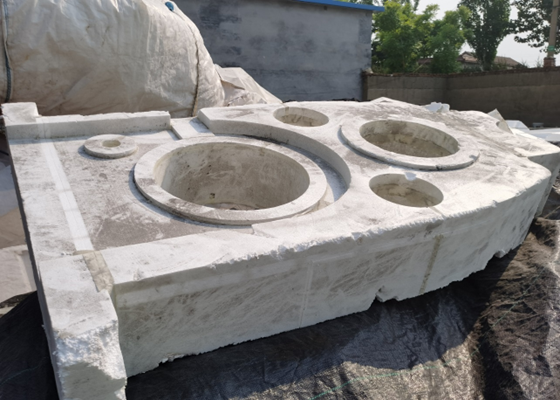
Recycling Styrofoam waste often requires special handling as they often cannot be disposed of with other commonly recyclable materials. Here are some ways to recycle polystyrene waste:
Find a dedicated recycling facility: Some cities may have dedicated styrofoam recycling machines that accept polystyrene waste. These facilities are usually located at fixed recycling locations in the community. Here, the department can not only donate waste styrofoam, but also have volunteers to explain and promote to you that styrofoam is recyclable.
Contact your local recycling or disposal center: Some area recycling or disposal centers may accept polystyrene waste. They may have specific collection dates or procedures. Sometimes you need to take the waste to a designated location, and some may provide door-to-door recycling services on fixed dates. However, it should be noted that we do not rule out that some areas still use traditional methods such as landfill and incineration. Because styrofoam is recyclable, this is an extremely serious waste of resources, so we try not to choose this method.
Consider repurposing: Some organizations or artists may accept styrofoam waste for creative projects or reuse. You could try contacting local arts organizations or community organizations to see if there is a need for this.
Reduce Usage: Finally, an important aspect is to reduce the use of styrofoam in your daily life. By choosing alternative materials or purchasing reusable containers, you can reduce the need for styrofoam and therefore reduce waste generation.
Of course, some styrofoam materials cannot be avoided, so how should this part of waste styrofoam be recycled?
GREENMAX recommends using a styrofoam recycling machine for recycling. Precisely because styrofoam is recyclable, the processed styrofoam blocs or ingots can be utilized, which further reflects the value of the styrofoam recycling machine.
GREENMAX Styrofoam compactor Apolo series
The Styrofoam compactor reduces the volume of styrofoam through the two main steps of crushing and screw extrusion. Whether it is dry styrofoam packaging or wet packaging with high moisture content, the styrofoam compactor can help process it efficiently. Among them, the compression ratio of this device can reach 50:1, which is an energy-saving device.
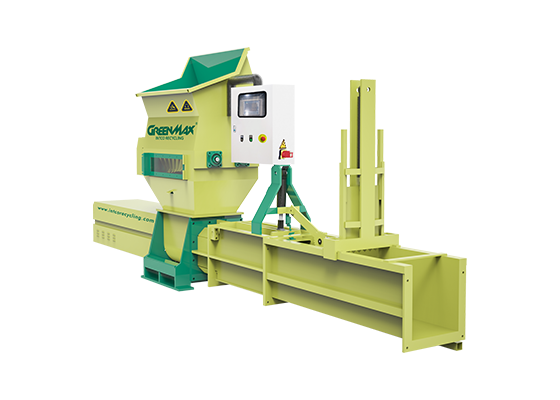
GREENMAX Styrofoam densifier Mars series
Styrofoam densifier reduces the volume of styrofoam through two main steps: crushing and heating and melting. This equipment consumes higher electrical energy than cold pressing technology, but the compression ratio is also higher, which can reach 90:1. Cooled styrofoam ingots It has a high density and is a high-quality compressed material.
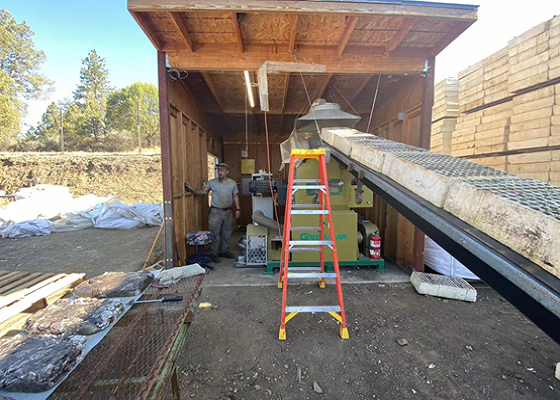
The reason why we use styrofoam recycling machine for recycling is to better save the cost in the recycling process. We need to make the activity of styrofoam recycling profitable enough so that more people will choose to join the recycling activity.