
Styrofoam is a homopolymer of styrene, a thermoplastic general-purpose plastic. The output is second only to polyethylene, polypropylene and polyvinyl chloride. Styrofoam has a wide range of applications. At present, many styrofoam materials are used for one-time use, and they are discarded at will after use, so the amount of waste is very large.
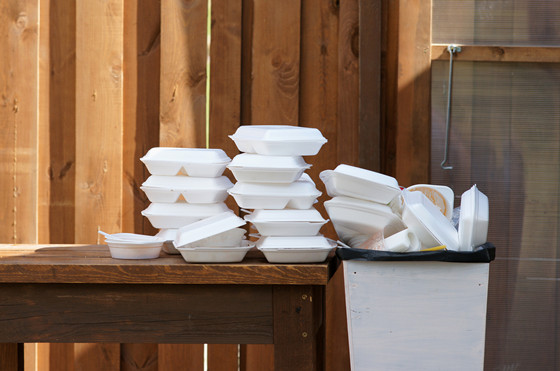
Styrofoam is recyclable
In fact, Styrofoam 6 is a thermoplastic, so it can technically be recycled again. So why isn't it in many community recycling programs? There are three reasons. First, it's not a significant part of the waste stream. All No. 6 foams make up less than one percent of the total weight of municipal solid waste. Second, waste diversion and recycling are often measured by weight, so the weight of the foam makes it unattractive (a truckload of loose foam weighs only about 1,000 pounds). Third, there is more economical cost to collect a pound of foam than to collect a pound of glass or cardboard.
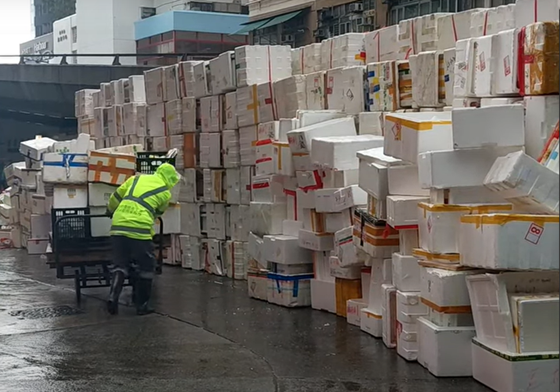
The benefits of recycling styrofoam
1.Protect the environment
When styrofoam is sent to landfill, most of which is still around 500 years later, these horrible chemicals leach into the soil. Therefore, recycling styrofoam can protect the soil and the earth's environment, and contribute to the sustainable development of the earth.
2.Deliver real value with compaction recycling technology
So why do we recycle styrofoam ? First, the styrofoam has real value once it is compacted.
Second, new technologies make recycling foam more efficient than in the past. For example, there are now a number of special compactors available, called densifiers, that can compact foam to a ratio of up to 90:1. This allows 40,000 pounds of material to fit on a 48-foot trailer. The equipment also requires less space than in the past and is capable of efficiently handling foams of mixed densities at the same time.

Plus, it does all of this while minimizing the amount of artificial foam recycling that might have been required in the past.
There are many foam markets now, and they often pay more than cardboard and other popular recycled goods.
3.Reuse into new products
Third, converting styrofoam into a new product is a simple process that reduces the need to extract crude oil from the earth and all the energy associated with the processes needed to make virgin resin. The end result is that we achieve greenhouse gas reductions and reduce our dependence on foreign oil. The reclaimer simply puts the compacted material into the grinder and feeds it into the extruder. The extruder is similar to a Play-Doh machine, where the ground material enters the machine, melts, and comes out the other end like spaghetti. The pasta is then cooled and cut into small pieces (grains). Once it's in granular form, it can be used to make useful new products.
The value of the cold-pressed blocks or hot-melted ingots produced by these foam recycling plants is much higher than that of styrofoam scrap that would otherwise be discarded and become the raw material for plastic pellets. When there are cold briquette or hot frit with good quality and high density, the major plastic pellet manufacturers will rush to buy it. This is also the value of foam recycling to maximize the benefits, and the high rate of return allows more companies to join the industry. And the best styrofoam densifiers allow recycling to do more with less.
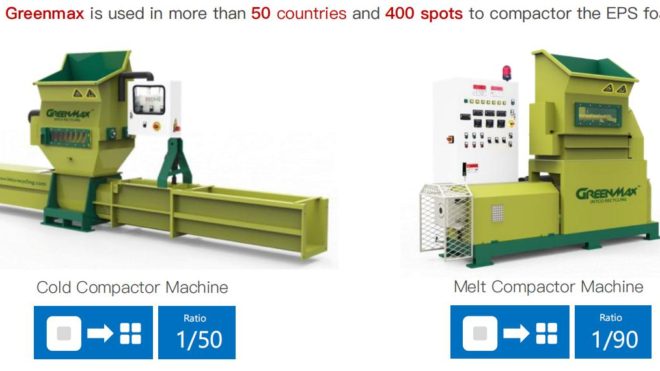
Many companies have been working hard to obtain professional Styrofoam recycling machines to promote EPS recycling. INTCO Recycling has been engaged in the foam recycling industry for more than ten years and has cooperated with more than 1,000 companies around the world. INTCO Recycling's multi-type styrofoam recycling equipment supports EPS compression ratios up to 1/50 or 1/90, which is a high-quality machine return.
If you are interested in styrofoam recycling or have questions, please contact INTCO Recycling for free FAQ.

