In fact, according to data from the Nature Network, styrofoam materials can take up to 500 years to break down, and Americans throw away 25 billion styrofoam cups a year. Polystyrene foams are expanded polystyrene (EPS) that pollute the environment as the EPS material decomposes.

A warehouse service found a way to recycle polystyrene foam products through its new styrofoam densifier, such as food containers, coffee cups and packaging materials that can be carried around.Excitingly, INTCO Recycling has been working on the development of polystyrene foam densifiers and has 10 years of experience in EPS foam recycling.

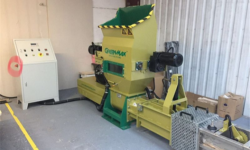
Styrofoam densifiers work by grinding and melting polystyrene foam and then making it a "brick" shape for packaging purposes.The GREENMAX styrofoam densifier has a compression-to-melting ratio of up to 90:1 and is highly efficient in treating polystyrene foam. The GREENMAX EPS densifier is very intelligent, as long as the temperature is adjusted, the operation is simple and the conveyor belt is optional, and the automation is very labor-saving.
Last year, some people proposed the idea of bringing foam densifiers to campus, which will further increase the sustainability of schools and cities and environmental protection. This specifically solves the problem of polystyrene foam recycling.
I believe that with this new equipment, you can reduce the workload of EPS foam processing and increase the awareness of EPS foam recycling. It also reduces the amount of polystyrene foam produced in our landfills and oceans, which will help schools become more sustainable universities.
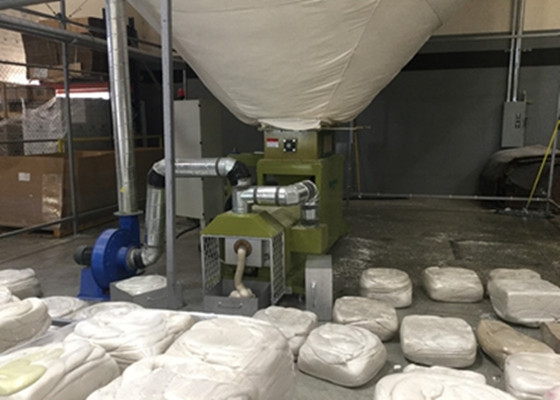
GREENMAX Styrofoam densifiers and styrofoam compactors are an excellent support for the already booming EPS recycling program. INTCO Recycling has been providing a complete solution for the styrofoam collection and recycling program.